
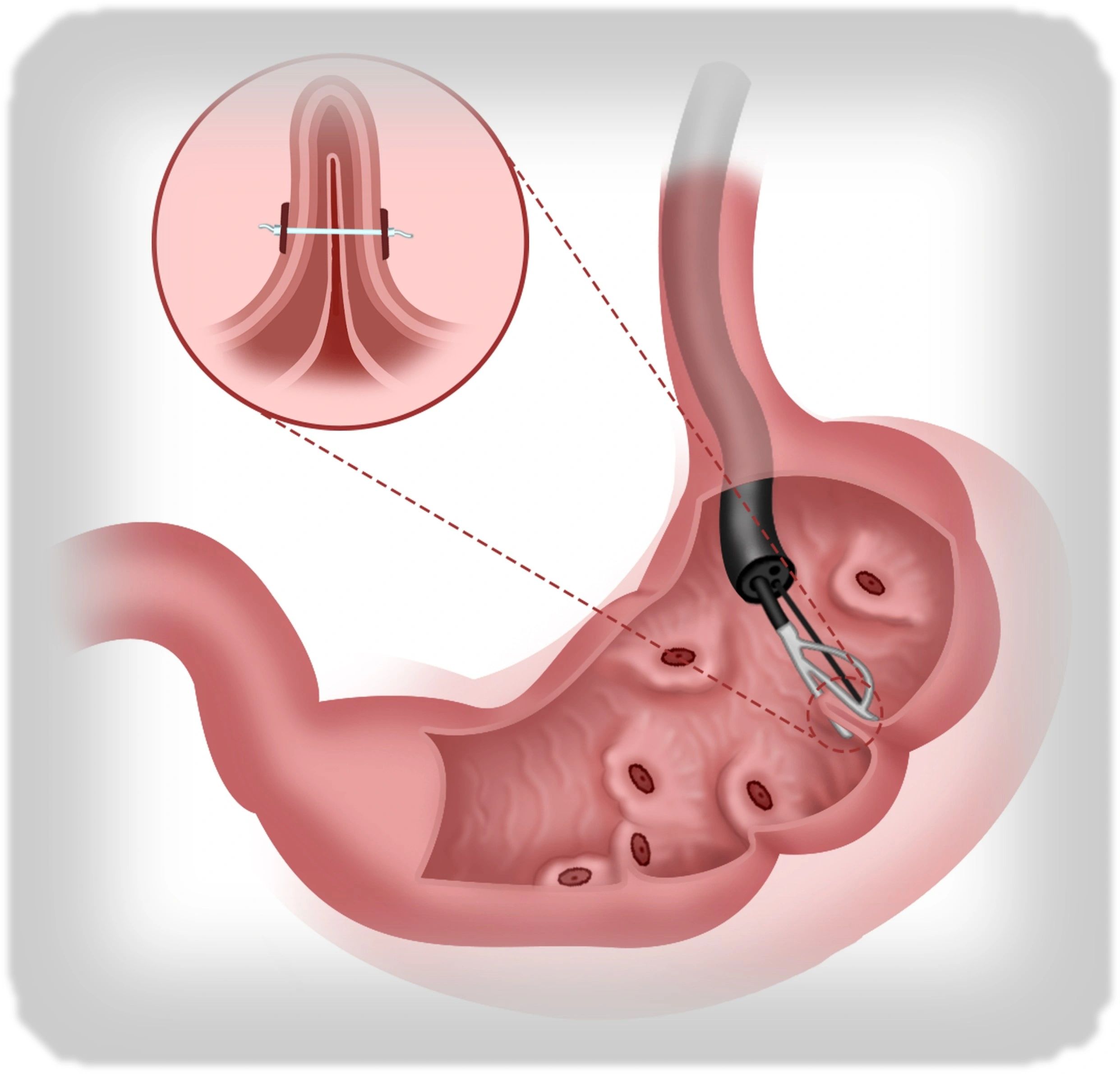
The increased incidence and health burden of obesity supports expanded treatment options, as over 1 billion people worldwide are expected to meet obesity criteria in 2030. Intensive lifestyle modifications alone, although independently important from a metabolic and adiposity-based chronic disease standpoint, often lead to only modest sustained weight loss of approximately 5%. Thus, the American and European Society for Gastrointestinal Endoscopy came together to create a set of adult guidelines for primary endoscopic and metabolic therapies, which is listed as an ABOM exam resource. This guideline matches the brevity of the evidence available and thus, they resemble more expert-based opinions. Although available to read here, the highlights and key takeaways listed in the blog will most likely be sufficient for the non-endoscopic obesity medicine specialist.
The American Society for Gastrointestinal Endoscopy – European Society for Gastrointestinal Endoscopy guideline on primary endoscopic bariatric and metabolic therapies for adults with obesity provides a general overview regarding the role of endoscopic therapies and target goals followed by 14 recommendations. As mentioned in the manuscript itself, evidence supporting the strength of these recommendations is minimal: 8 of the recommendations are listed as having very low quality of evidence, 2 state there is a knowledge gap, thus unable to provide any strength of recommendation, with the remaining split between low evidence and moderate. Per grading, very low evidence is defined as “we have very little confidence in the effect estimate, with the true effect likely to be substantially different from the estimate of effect.” That doesn’t invoke much confidence, but similarly, until there is evidence to alter these with ongoing studies, it at least provides a global baseline.
First, let’s summarize what endoscopic bariatric and metabolic therapies (EBMT) are available, split into 2 categories based on their location of intervention. Links to prior blogs discussing these further are included where applicable:
Gastric:
- Intragastric balloons: These temporary, fluid or gas-filled intragastric balloons promote weight loss by occupying space within the stomach and slowing gastric emptying, thereby enhancing satiety and reducing food intake. Their primary limitation is the short treatment duration, as they typically must be removed after 6–8 months. As a result, they are most commonly used as a bridge to a more definitive intervention, such as metabolic and bariatric surgery, or to facilitate weight loss prior to another procedure, such as orthopedic surgery.
- Endoscopic gastric remodeling: This category includes procedures that alter the size and shape of the stomach through endoscopic plication using sutures or specialized fasteners. Although these procedures produce fewer hormonal changes than metabolic and bariatric surgery, they can still result in meaningful and durable weight loss. Examples include endoscopic sleeve gastroplasty and primary obesity surgery endoluminal (shown in the featured image).
- Devices: The TransPyloric® shuttle and aspiration therapy are both FDA-approved devices, although neither is currently commercially available. The TransPyloric Shuttle consists of a two-bulb device, with a larger bulb residing in the stomach and a smaller bulb extending through the pylorus. By intermittently obstructing gastric emptying, it promotes earlier and more prolonged satiety. Aspiration therapy utilizes a percutaneous gastrostomy tube that allows patients to remove approximately 20–30% of gastric contents after a meal and is sometimes referred to as surgical bulimia.
Small-bowel procedures: Neither of the following procedures are available commercially, nor approved in the United States. They are undergoing further investigation, but provide a creative alternative to surgical or pharmacologic management:
- Duodenal mucosal resurfacing: The procedure involves thermal ablation of the superficial duodenal mucosa theorized to ‘reset’ or regenerate healthier tissue. This is hypothesized to improve insulin sensitivity, pancreatic function, and metabolic signaling pathways involved in type 2 diabetes and obesity. Given the low number of procedures performed within one randomized control trial (56 participants in the intervention arm) this is still considered under investigation and is only recommended in the context of a clinical trial. In this trial, the difference in weight loss between patients undergoing lifestyle intervention plus the procedure and those undergoing lifestyle intervention alone was only 0.3% at 6 months. Two hospitalizations occurred during the study. One involved hematochezia that was ultimately attributed to external hemorrhoids and was considered unlikely to be procedure-related. The other was a jejunal perforation that required surgical intervention. Longer-term studies are ongoing to better define the efficacy and safety profile of this approach.
- Duodenal-jejunum barrier lining (EndoBarrier®):This endoscopically placed 60-cm intestinal sleeve is anchored circumferentially at the pylorus, allowing ingested food to pass through the sleeve while digestive enzymes flow around the outside. This delays digestion and absorption until further distally in the small intestines, which mimics the physiology of a gastric bypass. This has been approved in some European countries for temporary use up to 12 months and targeted for diabetes management and weight loss.
Prior to discussing the individual recommendations, the guidelines begin by emphasizing the limited availability of more contemporary obesity treatment modalities. For example, GLP-1 receptor agonist-based therapies are frequently cost prohibitive, and only 2% of eligible patients undergo metabolic and bariatric surgery. However, they also acknowledge that the majority of EBMT are available on a cash-pay basis only, as most health insurance do not provide coverage. These barriers create important equity concerns. Nevertheless, the continued development of additional treatment options, coupled with growing evidence supporting their efficacy, may help expand coverage and improve access across a broader range of socioeconomic groups in the future.
The first, and likely the most important recommendation from an ABOM standpoint, provides guidance on EBMTs indications, which notably may differ from the U.S. FDA-approved indications. Based on the best evidence available, EBMT is recommended to be combined with lifestyle modifications in those with a BMI of 27-29.9 kg/m2 with ≥1 adiposity-based chronic disease or in anyone with a BMI ≥30 kg/m2. Also recall that these procedures and devices are currently only available for adults.
The rest of the recommendations have overlapping themes, which are grouped up into similar points below:
- Although seemingly obvious, four recommendations specifically recommend lifestyle modifications in addition to EBMT (intragastric balloons, endoscopic gastric remodeling, aspiration therapy, duodenal-jejunum barrier lining).
- Treatment with the TransPyloric® shuttle and duodenal mucosal resurfacing should only be done in the setting of a clinical trial.
- Another important recommendation from an ABOM standpoint, is that patients should be on proton pump inhibitors (PPIs) while an intragastric balloon is in place. In addition, PPIs should be utilized in the short-term after endoscopic gastric remodeling.
- The rest of the recommendations have to do with periprocedural antibiotic, antiemetic, and pain medications that are likely only relevant to the endoscopist.
If that seemed overly shortened, I assure you all pertinent recommendations were covered. Each recommendation was accompanied by a discussion of the supporting evidence and rationale. Importantly, however, the quality of the available evidence varied, even across obesity classes. For example, studies involving patients with overweight or class III obesity were primarily observational and reported only total weight loss (TWL), without a control group for comparison. In these studies, weight loss appeared larger, averaging approximately 11–13% TWL. In contrast, studies involving patients with class I and II obesity were randomized controlled trials, allowing a comparison of outcomes against a control group. When weight loss was reported as the difference between the intervention and control groups, the net treatment effect across all EBMTs was closer to 6.3% total weight loss, although results varied considerably by procedure, ranging from approximately 5% to 18.6%. A weight-loss threshold of at least 5% is generally considered clinically meaningful and has been associated with improvements in numerous cardiometabolic risk factors, with all commercially available EBMT meeting this threshold.
Similarly additional challenges arise from inconsistent reporting of adverse events among studies. Some trials defined device removal as an adverse event, whereas others did not, or used different reporting criteria altogether. Furthermore, certain adverse events were transient and self-limited but were still categorized as adverse outcomes. For example, nausea and vomiting leading to dehydration after intragastric balloon placement often resolves over time yet was still be recorded as adverse events. Given these differences in study design, outcome reporting, and adverse event definitions, direct “apples-to-apples” comparisons between EBMTs and across BMI subgroups remain challenging.
Regardless of the current limitations of evidence, endoscopists and EBMT are an important part of a multidisciplinary obesity practice, along with bariatric surgeons, dieticians, obesity medicine specialist, and behavioral therapist to address excess weight in an individualized manner. As EBMT become more readily available geographically and as the trials and studies expand, our comfort with their indications, adverse effects, and benefits will need to grow as well. Importantly, EBMTs do not inhibit patients from undergoing metabolic and bariatric surgery and instead may be used as a bridge in some scenarios. Similarly, the addition of anti-obesity medications are not limited, and may provide additional weight loss in individuals post EBMT. From a study standpoint, be familiar with the different endoscopic treatments that are available including the indications and the highlighted recommendations. Emerging therapies, including those in clinical trials, are also listed as a test content area and a superficial familiarity with them will likely be sufficient for the test, as well as to have discussions with patients who may be looking for alternative treatment options.
Sample Question
A 59-year-old woman underwent an endoscopic gastric remodeling procedure 2 years ago and has successfully lost and maintained approximately 9% total body weight. She presents to discuss additional treatment options to further improve her weight and obesity-related health risks. Her current BMI is 34 kg/m². Which of the following treatment options is contraindicated in this patient?
A. Cellulose and citric acid hydrogel
B. Phentermine-based pharmacotherapy
C. GLP-1 receptor agonist therapy
D. Metabolic and bariatric surgery
Next Week: A Motivational Interview Question Walk Through
Upcoming: Monthly Knowledge Check: This is a review checklist of must-know items for ABOM exams based on the previous four blog topics. In addition, this will include a brief explanation of the correct answers to previous sample questions.
For more practice questions, check out the following:
- Obesity Medicine Board Review Questions (2026): Qs 51, 266, 278, and 291.
- Obesity Medicine Practice Tests (2026): Qs 204 and 399.
(Copyright 2026) Obesity Medicine Board Review Questions, LLC: obesitymedicinereview.com
Featured image: Modified from VectorStock (image license purchased)
Copyediting by Kelly Smith
Now available: A full line of ABOM study resources with 775+ challenging questions in a mobile or book format. Access to both formats is available in a discounted Ultimate Package, which also includes a Pass Guarantee (if you fail the exam in 2026, you get the 2027 edition free), 50 bonus questions released in August, and the newest book, Obesity Medicine: Sample Questions and Study Blogs, which includes all the updated previous study blogs in a paperback format. Check it out here!
