
object(WP_Term)#6322 (10) {
  ["term_id"]=>
  int(54)
  ["name"]=>
  string(4) "Blog"
  ["slug"]=>
  string(4) "blog"
  ["term_group"]=>
  int(0)
  ["term_taxonomy_id"]=>
  int(54)
  ["taxonomy"]=>
  string(16) "content_category"
  ["description"]=>
  string(0) ""
  ["parent"]=>
  int(0)
  ["count"]=>
  int(115)
  ["filter"]=>
  string(3) "raw"
}
int(1)
Blog
 Loading...

Clues to Deficiency: Nutrition-Associated Physical Exam Findings
Physical exam findings can be the first clue to an associated nutritional deficiency. The rarer and more obscure the association, the more likely it may…

Orforglipron: The New Oral Nonpeptide GLP-1 Receptor Agonist
Orforglipron, sold under the brand name Foundayo®, is the most recent oral GLP-1 receptor agonist to gain FDA approval. Having the differentiating feature of being…

Enhanced Recovery After Bariatric Surgery: Improving Outcomes
Protocols focused on improving patient outcomes throughout the perioperative period have been utilized for decades, with formal enhanced recovery protocols first introduced in colorectal surgery…
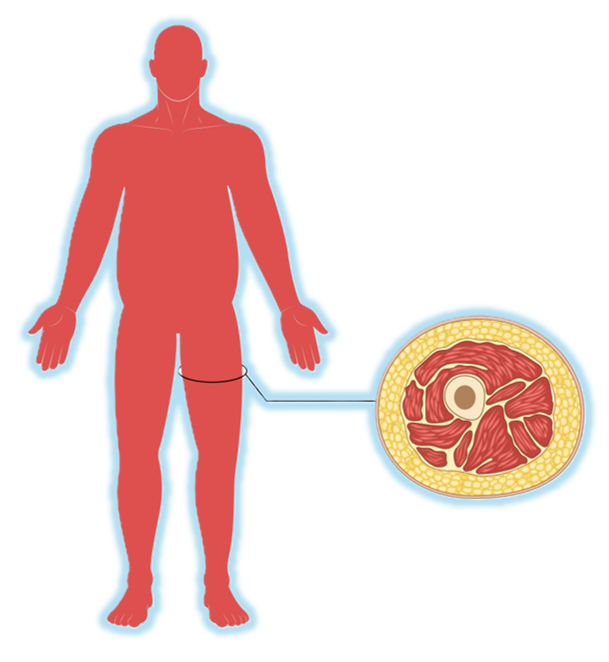
The Skinny on Sarcopenic Obesity
Sarcopenia refers to a loss of skeletal muscle mass accompanied by decreased muscle strength and/or physical performance. In some patients, the loss of muscle mass…

Special Populations: Achondroplasia, Down & Turner Syndromes
Several conditions are classified as special populations in the ABOM content outline because they are associated with an increased risk of early metabolic complications and…

Lipodystrophies: Diagnosis, Treatment, and Metabolic Consequences
Lipodystrophy syndromes are a rare group of heterogeneous disorders characterized by a lack of adipose tissue, which may seem counterintuitive to be included within the…

The First and Last: Liraglutide (Saxenda®)
Liraglutide (Saxenda®) was the first GLP-1 receptor agonist (RA) medication approved for weight management in 2014, previously only being approved for type 2 diabetes. Although…

Gestational Diabetes: Not Sugarcoated
The global prevalence of gestational diabetes mellitus (GDM) is about 17%, although closer to the 7-10% range specifically in the United States. GDM is associated…

Short and Sweet: Growth Hormone Deficiency Essentials
Growth hormone deficiency (GHD) is included in the ABOM test content blueprint, specifically requiring the knowledge to identify signs and symptoms of this condition. Diagnosing secondary causes of obesity is an importan…
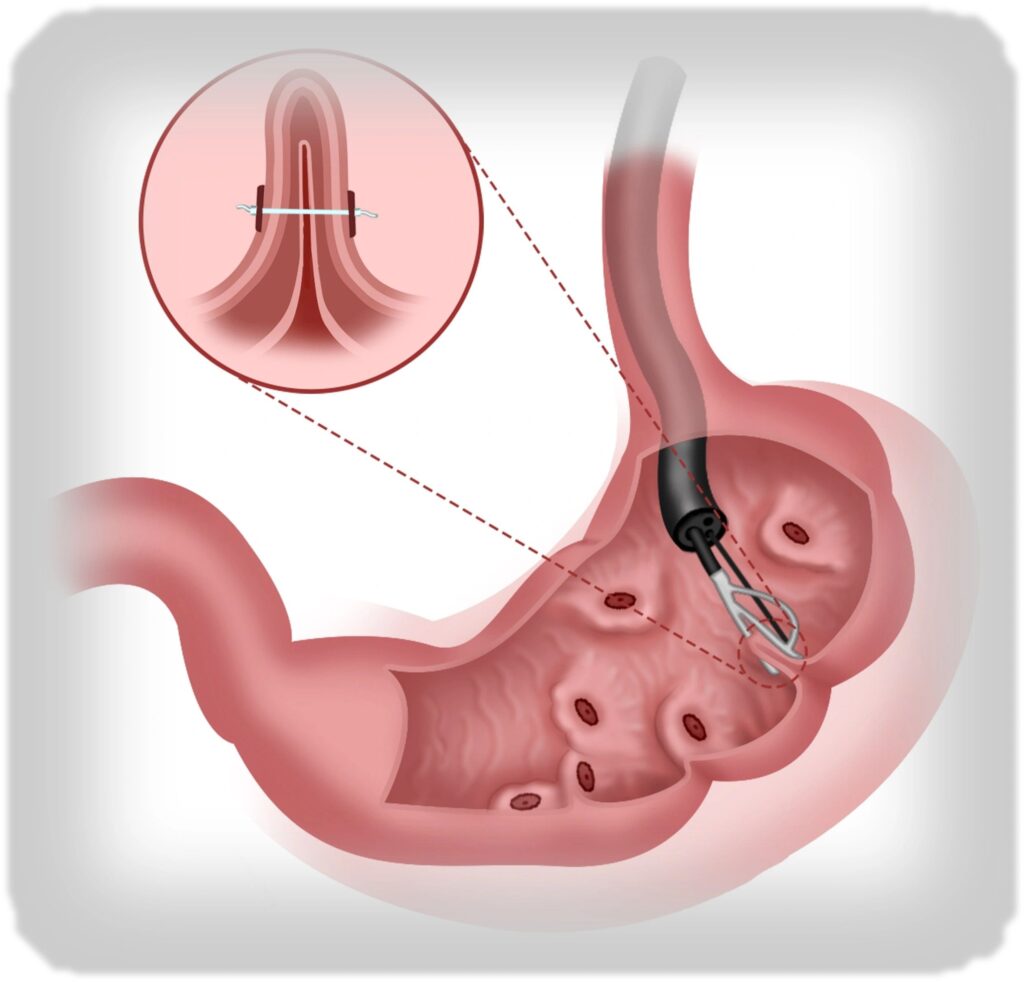
Inside Out: Endoscopic Guidelines and Recommendations
The increased incidence and health burden of obesity supports expanded treatment options, as over 1 billion people worldwide are expected to meet obesity criteria in 2030. Intensive lifestyle modifications alone, althoug…

Motivational Interview Walkthrough
Motivational interviewing is often one of the more challenging areas of obesity medicine because of its somewhat subjective nature. Many questions have several seemingly reasonable answer choices, and there are numerous …

Gone but not Forgotten: Discontinued Obesity Medications
Like other medication classes, anti-obesity medications (AOMs) have seen their fair share of pharmacotherapy withdrawal from the market. Reasons range from concerns about addiction potential to serious safety issues and …

Black Box Warning: Medullary Thyroid Carcinoma
A boxed warning, more commonly referred to as a “black box warning” due to the thick black border surrounding the text, is the strongest safety warning issued by the U.S. Food and Drug Administration for prescription med…

Part 2: AACE Algorithm for Evaluation and Treatment of Obesity
This is the second part of our two-part blog series covering The American Association of Clinical Endocrinology Consensus Statement: Algorithm for the Evaluation and Treatment of Adults with Obesity/Adiposity-Based Chron…
Part 1: AACE Algorithm for Evaluation and Treatment of Obesity
The American Association of Clinical Endocrinology Consensus Statement: Algorithm for the Evaluation and Treatment of Adults with Obesity/Adiposity-Based Chronic Disease- 2025 Update provides an algorithm for patient-cen…