
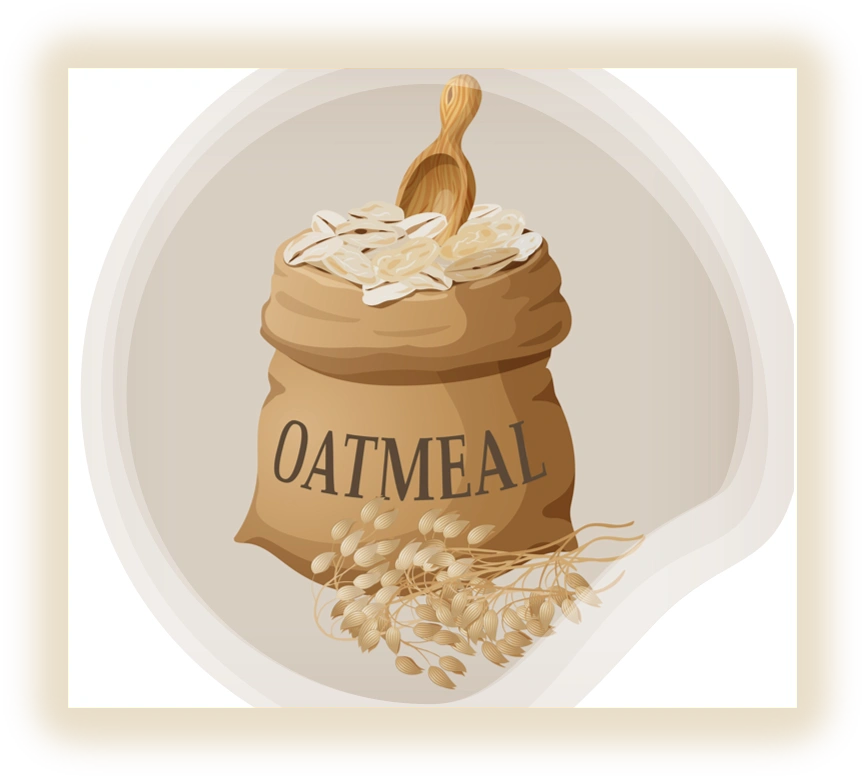
Functional foods are defined as foods that offer health benefits beyond their basic nutritional value. A classic example is oatmeal, which is rich in soluble fiber (beta-glucan) and has been shown to lower LDL cholesterol, improve glycemic control, and support gut health through its prebiotic effects. These foods are particularly appealing to patients seeking more natural, non-pharmacologic interventions or as adjuncts to medical therapy. In this blog, we will explore several functional foods and contrast them with other commonly used over-the-counter supplements and products.
Functional foods and dietary supplements are often discussed together due to their shared goal of providing health benefits. However, they are fundamentally different. As mentioned above, functional foods are foods that offer additional health benefits beyond basic nutrition, while supplements are concentrated nutrients or compounds taken separately from the diet to enhance health. Importantly, neither is regulated by the FDA in the same way as prescription medications. Supplements, although often marketed for therapeutic purposes, are categorized as food rather than drugs. This means they do not require FDA approval before reaching the market. Instead, the burden of ensuring safety lies with the manufacturer, and regulatory action is typically only taken retroactively in response to reported adverse events.
One of the key differences between supplements and functional foods lies in how they can be marketed. Supplements are prohibited from claiming to diagnose, treat, cure, or prevent any disease, and manufacturers must ensure that any health-related statements are not false or misleading. As a result, marketing language is often vague, using phrases like “May support immune health” or “Promotes healthy weight.” In contrast, functional foods may be allowed by the FDA to carry qualified health claims, particularly related to disease prevention. For example, products containing soluble fiber can state that they “may reduce the risk of heart disease,” provided the claim is supported by scientific evidence.
Many foods are marketed for their potential health benefits. Below are several high-yield examples commonly discussed in the context of weight management:
- Dietary fiber: While weight loss results vary, increased fiber intake can enhance satiety, delay carbohydrate absorption, and improve insulin sensitivity. Some individuals may experience bloating and flatulence.
- Green tea/caffeine: Caffeine-containing products may promote mild appetite suppression and increase fat oxidation. Modest weight reduction has been observed in some studies. However, high doses can lead to adverse effects such as tremors, anxiety, gastrointestinal upset, insomnia, and palpitations.
- Phytoestrogens (e.g., soy-based products like edamame and tofu): These may support weight loss by replacing higher-calorie foods. Soy-based foods contain phytoestrogens (isoflavones) that can weakly bind estrogen receptors. At typical dietary levels, human studies show little to no clinically meaningful disruption of menstrual cycles or ovulation in healthy women. However, very high intake or use of concentrated isoflavone supplements may alter hormone levels or ovulatory patterns in some individuals.
- Apple cider vinegar: This fermented product may modulate the gut microbiome, delay gastric emptying, and promote satiety. On the downside, its acidity can cause dental erosion and gastrointestinal irritation in some consumers.
- Curcumin: A bioactive compound found in turmeric, curcumin has anti-inflammatory properties and is frequently used for joint pain, potentially improving physical activity. Some evidence suggests it may modestly reduce body weight and waist circumference.
In addition to the examples above, prebiotics and probiotics are also considered functional foods. Prebiotics are non-digestible compounds, such as fructooligosaccharides, that promote the growth of beneficial gut bacteria, supporting a healthy microbiome. In contrast, probiotics are live microorganisms (e.g., Lactobacillus species) commonly found in fermented foods like yogurt and sauerkraut. These can help maintain gastrointestinal balance by inhibiting the overgrowth of harmful bacteria and yeast.
While many functional foods have limited research or demonstrate only modest effects on weight loss, they can still play a valuable role in a calorie-controlled diet by enhancing satiety, improving adherence, and supporting overall metabolic health. With generally low risks and minimal side effects, the potential benefits may outweigh the drawbacks. For patients seeking natural strategies to support their health goals, incorporating functional foods can be a practical and sustainable approach. Importantly, the ABOM includes test content areas related to over-the-counter products, supplements, and functional foods, so having a working knowledge of these categories, their distinctions, and relevant examples can aid both clinical decision-making and board exam preparation.

Sample Question
A 47-year-old perimenopausal woman with obesity follows a plant-based diet and has started using soy-based products to support weight loss. Which of the following is a potential concern with high intake of soy-based phytoestrogens?
A. Hyperkalemia due to plant potassium overload
B. Thyroid dysfunction from iodine displacement
C. Hormonal disruption leading to menstrual irregularities
D. Severe hypoglycemia due to insulin-like effects
E. Increased risk of gallstone formation
Next Week: Preoperative evaluation
Following Week: Pediatrics: Bullying, Stigma, and Food Insecurity
Upcoming: Monthly Knowledge Check
For more practice questions, check out the following:
- Obesity Medicine Board Review Questions (2026): Qs 61 and 205
- Obesity Medicine Practice Tests (2026): Qs 34 and 172.
(Copyright 2026) Obesity Medicine Board Review Questions, LLC: obesitymedicinereview.com
Featured image: Modified from VectorStock (image license purchased)
Copyediting by Kelly Smith
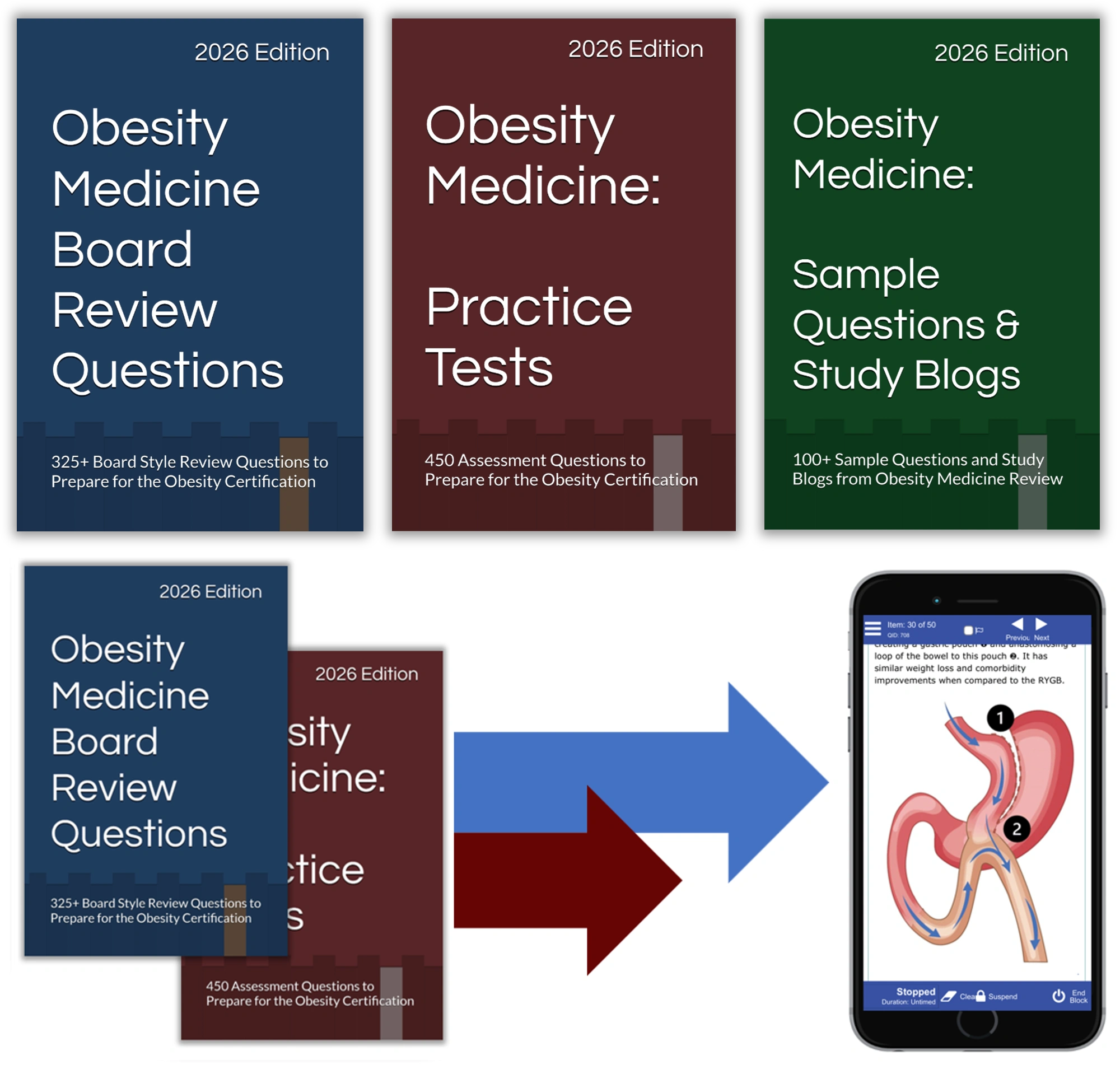
Now available: A full line of ABOM study resources with 775+ challenging questions in a mobile or book format. Access to both formats is available in a discounted Ultimate Package, which also includes a Pass Guarantee (if you fail the exam in 2026, you get the 2027 edition free), 50 bonus questions released in August, and the newest book, Obesity Medicine: Sample Questions and Study Blogs, which includes all the updated previous study blogs in a paperback format. Check it out here!
