
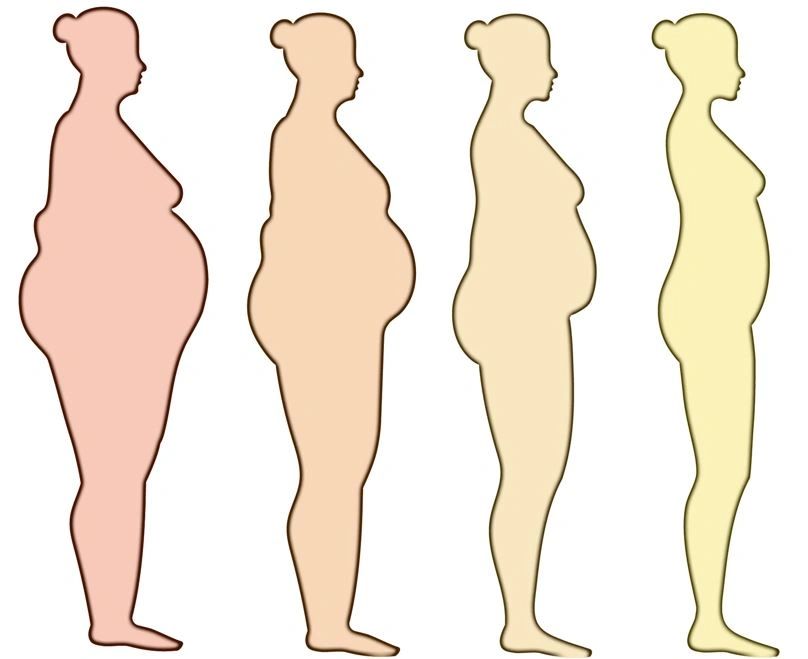
Both a source of great excitement, as well as insurance coverage and supply chain frustration, Wegovy® (semaglutide) has become a commonly discussed medication that has garnered significant media coverage. This weekly injectable medication boasts an average 14.9% sustainable weight reduction (vs. 2.4% in the placebo group) at 68 weeks, with 1 in 3 achieving ≥20% weight loss per the STEP 1 trials. Although the same in class and company (Novo Nordisk®) as its cousin Ozempic®, this medication is the version of semaglutide specifically FDA-approved for weight loss.
Semaglutide, a glucagon-like peptide receptor agonist (GLP-1 RA), has been used successfully for diabetes for years before its newer indication for weight loss in 2021. Many providers feel comfortable prescribing this medication and know its powerful benefits in improving both hemoglobin A1c and weight. With an increase in coupons, advertising, and social media posts, patients are approaching their providers more frequently requesting this medication.
In diabetes, GLP-1 RA work via an incretin effect, increasing pancreatic insulin secretion in the setting of carbohydrate ingestion. However, the central effects of GLP-1 RA provide additional weight loss benefits via activation of the POMC/CART pathway, leading to increased satiety and energy expenditure. These latter benefits occur independently of diabetes leading to weight loss. For more information on the downstream (central) effects of these peptides, click here.
While the average weight loss for this medication is exciting, it is important to remember we are treating individuals who may not achieve the expected average weight loss. For this reason, it is reassuring to know the following statistics:
- 83.5% achieved ≥5% weight loss (31.1% in placebo)
- 66.1% achieved ≥10% weight loss (12.0% in placebo)
- 47.9% achieved ≥15% weight loss (4.8% in placebo)
- 30.2% achieved ≥20% weight loss (1.7% in placebo)
Significant side effects of Wegovy® and other GLP-1 RA are decreased gastric motility, which can lead to early satiety but also may lead to uncomfortable gastrointestinal distress, the leading cause of medication discontinuation. Therefore, this medication should be avoided in patients with severe gastroparesis. Constipation is common as the dose increases, and hypoglycemia may occur in the setting of other hypoglycemic agents but not de novo.
A great testing point for boards (although very clinically rare) is avoidance in those with a family or personal history of medullary thyroid carcinoma (MTC), as this is the black box warning associated with this medication. The increased risk of MTC has only been demonstrated in rat studies (duration- and dose-dependent), and the risk to humans remains unknown.
Wegovy® is generally considered safe for those with chronic kidney or even end-stage renal disease and liver disease. Importantly, this medication is approved for those ≥12 years old, providing an additional weight loss tool in adolescents. Finally, if this class of medication is started, discontinue DPP-4 inhibitors. DPP-4 inhibitors prevent the breakdown of endogenous GLP-1, whereas synthetic GLP-1 RA directly stimulates the GLP-1 receptor and is not degraded by DPP-4. Because they act on the same incretin pathway, using both together provides no additional clinical benefit and is not cost-effective.
Finally, do you need to know the dosages of anti-obesity medications for ABOM boards? Yes and no. The most likely scenario in which the actual dosages will come up is in terms of management questions. For example, in a question about a patient who is not losing sufficient weight on semaglutide, some answer choices may be to increase the dose of semaglutide, add phentermine, or encourage a keto diet, as examples. If the patient is on 2.4 mg of subcutaneous semaglutide, then increasing the dose of semaglutide would be easy to mark off as incorrect, as it would be maxed out. Off-label anti-obesity medication dosages are likely not testable; however, knowing the maximum dose of FDA-approved anti-obesity medications can be helpful.
Update: In 2025, Semaglutide 2.4 mg weekly was granted accelerated approval by the U.S. Food and Drug Administration for the indication of metabolic dysfunction-associated steatohepatitis (MASH) in adults with moderate-to-advanced liver fibrosis (stage F2–F3) and without cirrhosis. In addition, FDA approval and availability of the 25-mg oral semaglutide tablet occurred in early January 2026. Approval of the higher 7.2-mg subcutaneous dose of Wegovy® is also expected in early 2026 and is projected to provide an additional 5% total body weight loss, for an overall total body weight loss of approximately 20%.

Sample Question
A 62-year-old woman presents to her primary care physician’s office to discuss semaglutide (Wegovy®) for weight loss and diabetes. Her medical comorbidities include type II diabetes and hypertension. She is currently taking metformin, rosuvastatin, sitagliptin, and chlorthalidone. She drinks two alcoholic beverages nightly and quit tobacco products six years ago. Which of the following is the most appropriate action before starting semaglutide?
A. Obtain baseline lipase levels
B. Discontinue one of her current medications
C. Inquire about a family history of MEN 1 syndrome
D. Require alcohol cessation due to interactions
E. Obtain triglyceride levels
Next Week: Obesity Paradox/Myths
Upcoming: Epigenetics and Dietary plans (Mediterranean/DASH, etc.)
For more practice questions, check out the following:
- Obesity Medicine Board Review Questions (2026): Qs 103, 178, 194, 196, 220, 289, and 306.
- Obesity Medicine Practice Tests (2026): Qs 207, 301, 303, 320, 323, 417, and 430.
(Copyright 2026) Obesity Medicine Board Review Questions, LLC: obesitymedicinereview.com
Featured image: Modified from VectorStock (image license purchased)
Copyediting by Kelly Smith
Now available: A full line of ABOM study resources with 775+ challenging questions in a mobile or book format. Access to both formats is available in a discounted Ultimate Package, which also includes a Pass Guarantee (if you fail the exam in 2026, you get the 2027 edition free), 50 bonus questions released in August, and the newest book, Obesity Medicine: Sample Questions and Study Blogs, which includes all the updated previous study blogs in a paperback format. Check it out here!
