
During development, cilia are vital to the proper placement and function of organs. For example, situs inversus with dextrocardia is a condition that can affect cilia, leading to reversed chemical signaling during development, causing the heart to point towards the right side of the chest.
Similarly, Bardet-Biedl syndrome is an autosomal recessive disease affecting multiple cilia-related genes, leading to deficits in cell movement, signaling, and sensory input during development, which cause structural abnormalities.
Bardet-Biedl is not only associated with early-onset obesity and cognitive impairment, but also has several unique findings:
- Microorchidism: Most males will not produce sufficient sex hormones, and this primary hypogonadism frequently leads to infertility. Women may experience vaginal atresia or hypoplastic labia minora, but these are seen to a lesser degree.
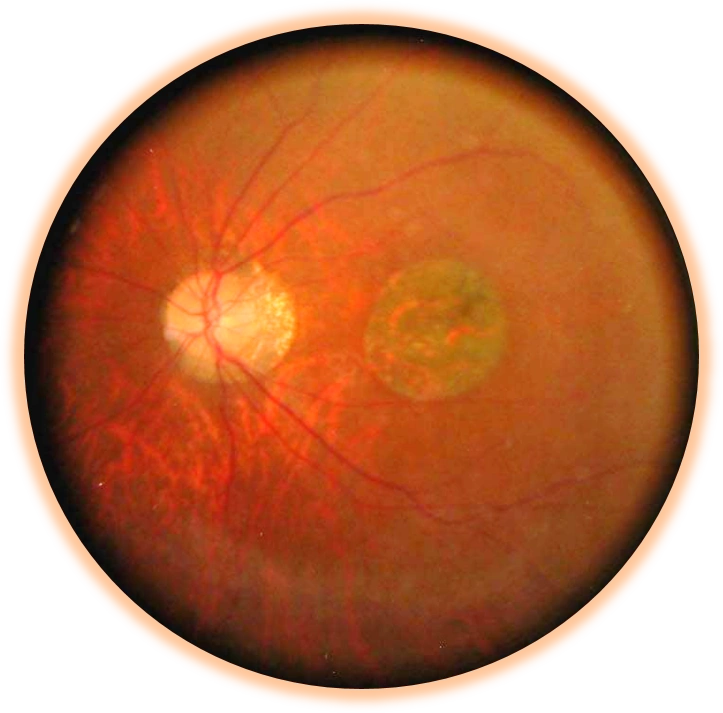
- Retinal dystrophy: In mid-childhood, cone-rod dystrophy leads to night vision problems, peripheral vision loss, and eventually blurred central vision. Most patients will be legally blind by late adolescence. The featured image in this blog shows early retinal dystrophy.
- Polydactyly: Approximately 65% of patients with Bardet-Biedl experience polydactyly, making it a prominent feature and an early clue to this condition. Additionally, syndactyly is frequently observed.
- Renal malformations: These often include anatomical abnormalities seen on ultrasound, including cysts and lobulations. Chronic kidney disease will develop in approximately 20% of adults.
- Polyuria and polydipsia: These findings are due to the higher prevalence of nephrogenic diabetes insipidus, which is not necessarily related to the aforementioned renal malformations
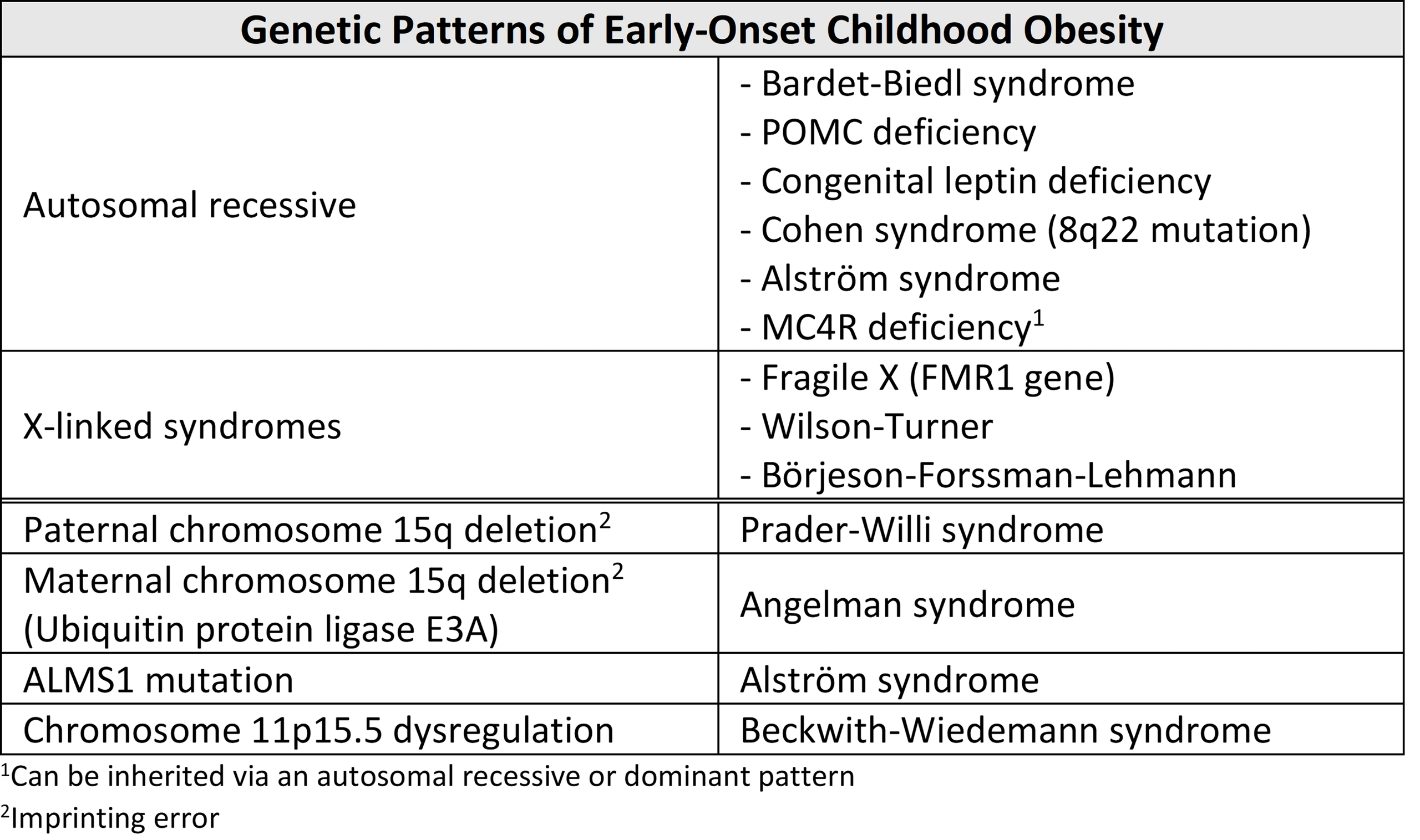
Expect genetic conditions to be tested with first or second-order questions, including determining the diagnosis and understanding common associations. These associations may include physical exam findings described above or genetic inheritance patterns, as shown in the table below. In addition, if there are FDA-approved treatments for a genetic condition, you will be required to know this as well, which we will discuss in future blogs.
Sample Question
A 5-year-old boy is seen in the pediatric clinic for follow-up after meeting with a childhood obesity specialist. This patient has a complex medical history, including significant intellectual delay, retinal dystrophy, and polydactyly. Renal malformations have led to polyuria and polydipsia, requiring placement of a percutaneous endoscopic gastrostomy tube to maintain adequate fluid replacement. Given these findings, the patient most likely carries which of the following diagnoses?
A. Prader-Willi syndrome
B. Cohen syndrome
C. Börjeson-Forssman-Lehmann syndrome
D. Albright hereditary osteodystrophy
E. Bardet-Biedl syndrome
Next Weeks Topic is Post-Prandial Hypoglycemia followed by Adiponectin
For more practice questions, check out the following:
- Obesity Medicine Board Review Questions (2026): Qs 28 and 49.
- Obesity Medicine Practice Tests (2026): Qs 304 and 375.
(Copyright 2026) Obesity Medicine Board Review Questions, LLC: obesitymedicinereview.com
Featured image: Yang Z, Yang Y, Zhao P, et al. A novel mutation in BBS7 gene causes Bardet-Biedl syndrome in a Chinese family. Mol Vis. 2008;14:2304-2308
Copyediting by Kelly Smith
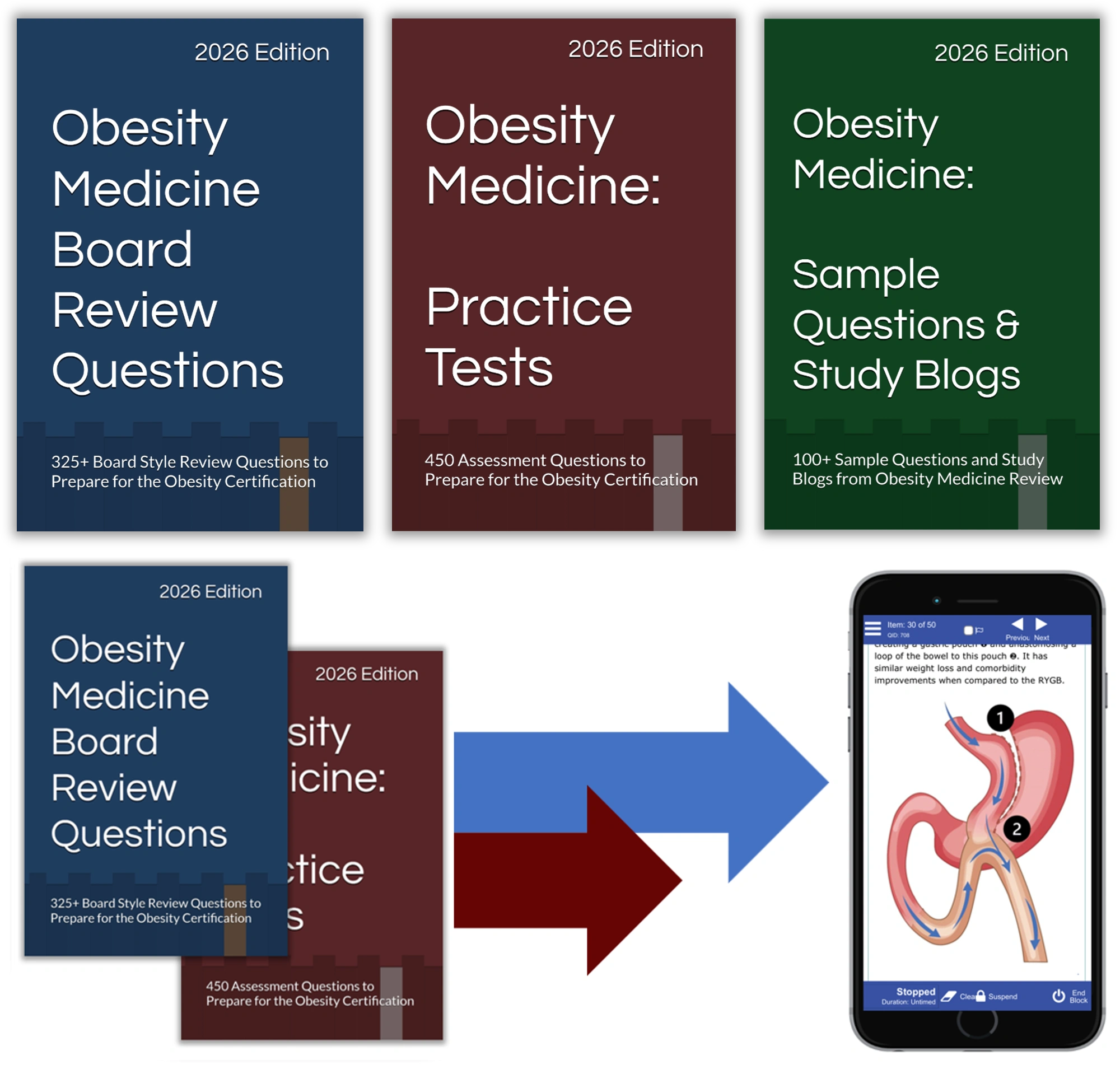
Now available: A full line of ABOM study resources with 775+ challenging questions in a mobile or book format. Access to both formats is available in a discounted Ultimate Package, which also includes a Pass Guarantee (if you fail the exam in 2026, you get the 2027 edition free), 50 bonus questions released in August, and the newest book, Obesity Medicine: Sample Questions and Study Blogs, which includes all the updated previous study blogs in a paperback format. Check it out here!
