
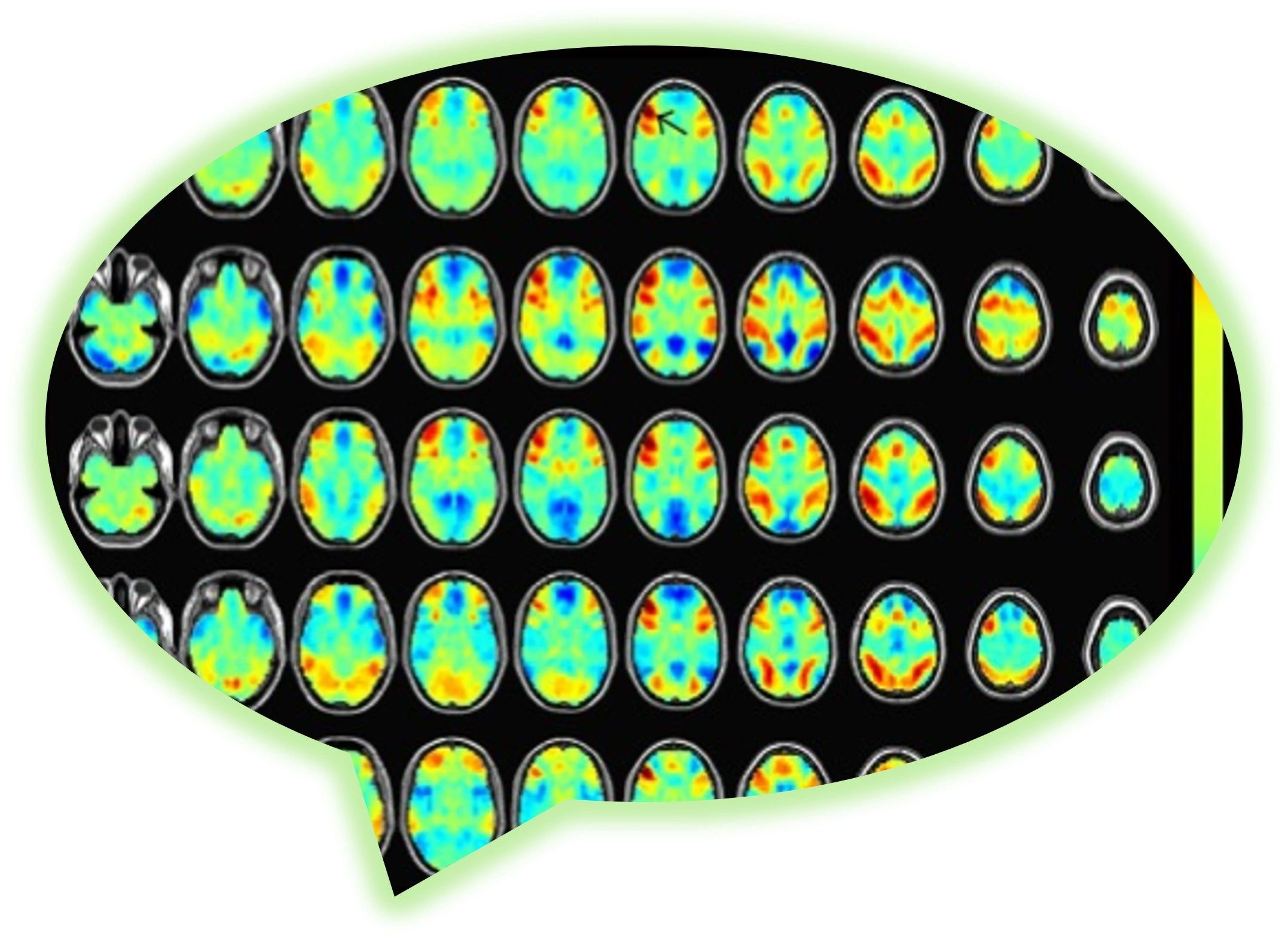
Although the prevalence of binge eating disorder is approximately 3% in the general population, nearly 20-30% (some sources say 50%) of those pursuing metabolic and bariatric surgery (MBS) meet the criteria. If not diagnosed or addressed, this may adversely affect weight loss potential after surgery and can be frustrating and guilt-provoking to the patient, often leading to decreased dietary and physical activity adherence.
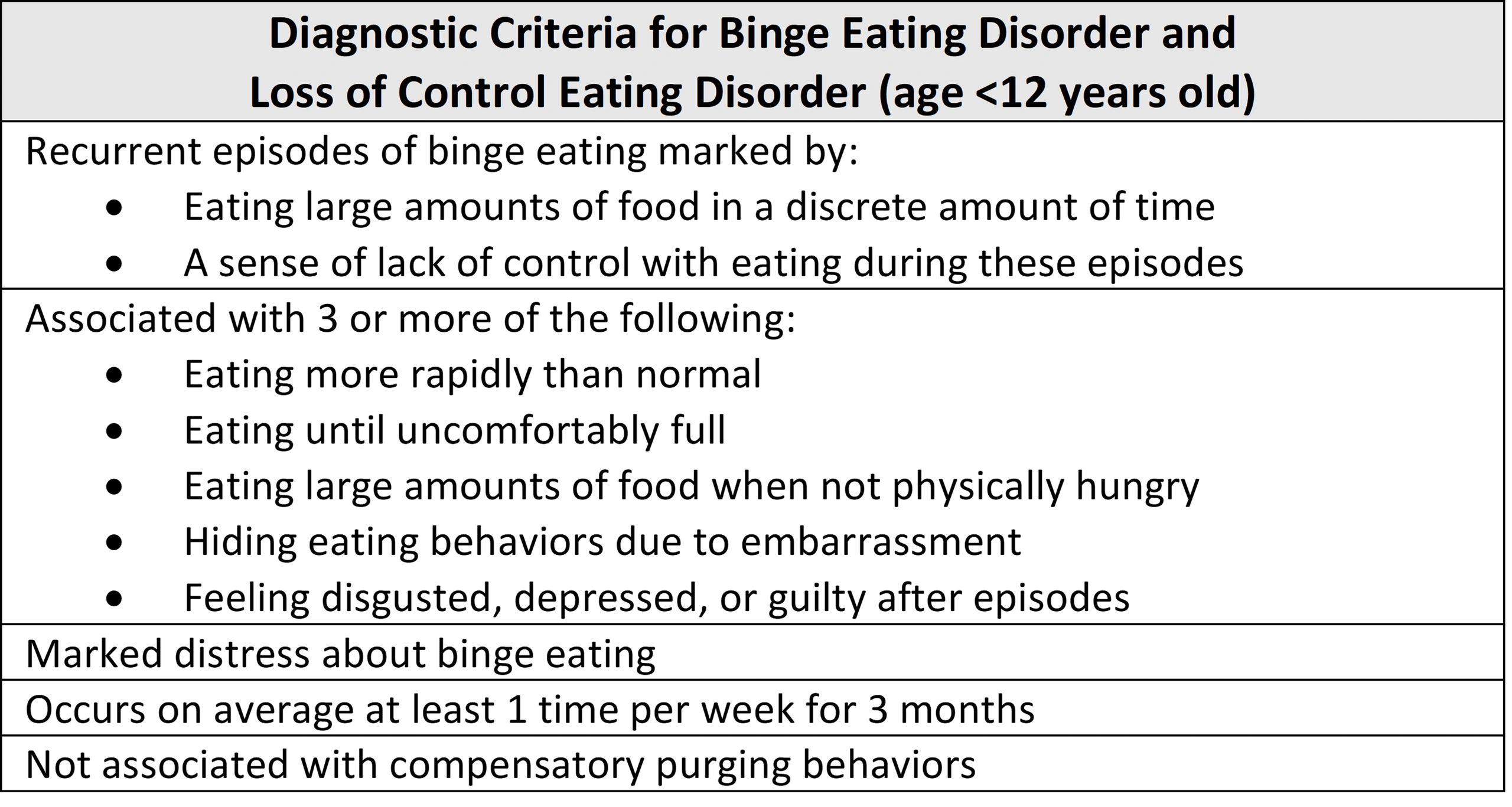
Binge eating disorder (BED) is a compulsive eating disorder characterized by marked distress about eating large amounts of food in a discrete amount of time with a sense of lack of control while eating during these episodes. It is associated with eating more rapidly than usual, until one becomes uncomfortably full, even when not physically hungry, and hiding eating behaviors due to embarrassment. Patients often feel disgusted, depressed, or guilty after episodes.
Important: Loss of control eating disorder is nearly identical to binge eating disorder, but is only diagnosed in children <12 years old.
So, if a patient meets the diagnostic criteria for BED (see table below), how do we treat it?
- Cognitive-behavioral therapy: Psychotherapy is considered the first-line treatment for several eating disorders, including BED, with cognitivebehavioral therapy being more effective than medications.
- Lisdexamfetamine dimesylate (Vyvanse®): This central nervous system stimulant is the only FDA-approved medication to treat BED. Its other indication is attention deficit disorder.
- Off-label medications: Medications that are beneficial for BED, but do not have an FDA-approved indication, include topiramate, phentermine/topiramate, GLP-1 receptor agonists, selective serotonin reuptake inhibitors, and bupropion. Remember that ABOM boards will test off-label indications if commonly used, especially if treating concurrent comorbidities such as using topiramate for a patient with concurrent migraines.
BED can be relapsing and remitting, and thus longer-term follow-up (especially after MBS) is recommended. MBS may help with long-term remission, but surgery should not be pursued until patients are appropriately screened and treated.
One other eating disorder that has similarities with BED is night eating syndrome (NES). This condition is defined by excessive caloric consumption after the evening meal (often with night-time awakenings to eat), frequently caused by excessive carbohydrate intake and poor protein intake throughout the day. Skipping breakfast is also common in these patients. NES treatment focuses on increasing protein throughout the day to prevent evening hyperphagia.
In summary, BED is high yield for the ABOM. Know the diagnostic criteria, differences, and treatment options.
Sample Question
A 26-year-old man is presenting for psychiatric evaluation as part of a multidisciplinary team approach before metabolic and bariatric surgery. He admits that he eats until he feels uncomfortably full, even eating large amounts when he doesn’t feel hungry. This is something that has caused significant guilt and depression. He eats much more over a short period compared to his friends and has always done so. He states it feels “like I lose control when food is around.” Which of the following classes of medications is FDA-approved to treat his underlying condition?
A. Central nervous system stimulant
B. Anticonvulsant
C. Atypical antipsychotic
D. Selective serotonin neuromodulation
E. Glucagon-like peptide analog
A look ahead:
- Tomorrow: Monthly Knowledge Check! A checklist of must-know items for ABOM exams based on the previous four blog topics (Lipedema, Anastomotic Stricture, Tirzepatide, and Binge Eating Disorder). In addition, this will include a brief explanation of the correct answers to previous sample questions.
- Next Week’s Topic: Edmonton Obesity Staging
- Upcoming in the following weeks: Post-Prandial Hypoglycemia, Bardet-Biedl, and Adiponectin
For more practice questions, check out the following:
- Obesity Medicine Board Review Questions (2026): Qs 75, 113, and 183.
- Obesity Medicine Practice Tests (2026): Qs 23, 32, 40, 61, 97, 115, and 407.
(Copyright 2026) Obesity Medicine Board Review Questions, LLC: obesitymedicinereview.com
Featured image: Li X, Zang YF, Zhang H. Exploring Dynamic Brain Functional Networks Using Continuous “State-Related” Functional MRI. doi:10.1155/2015/824710
Copyediting by Kelly Smith
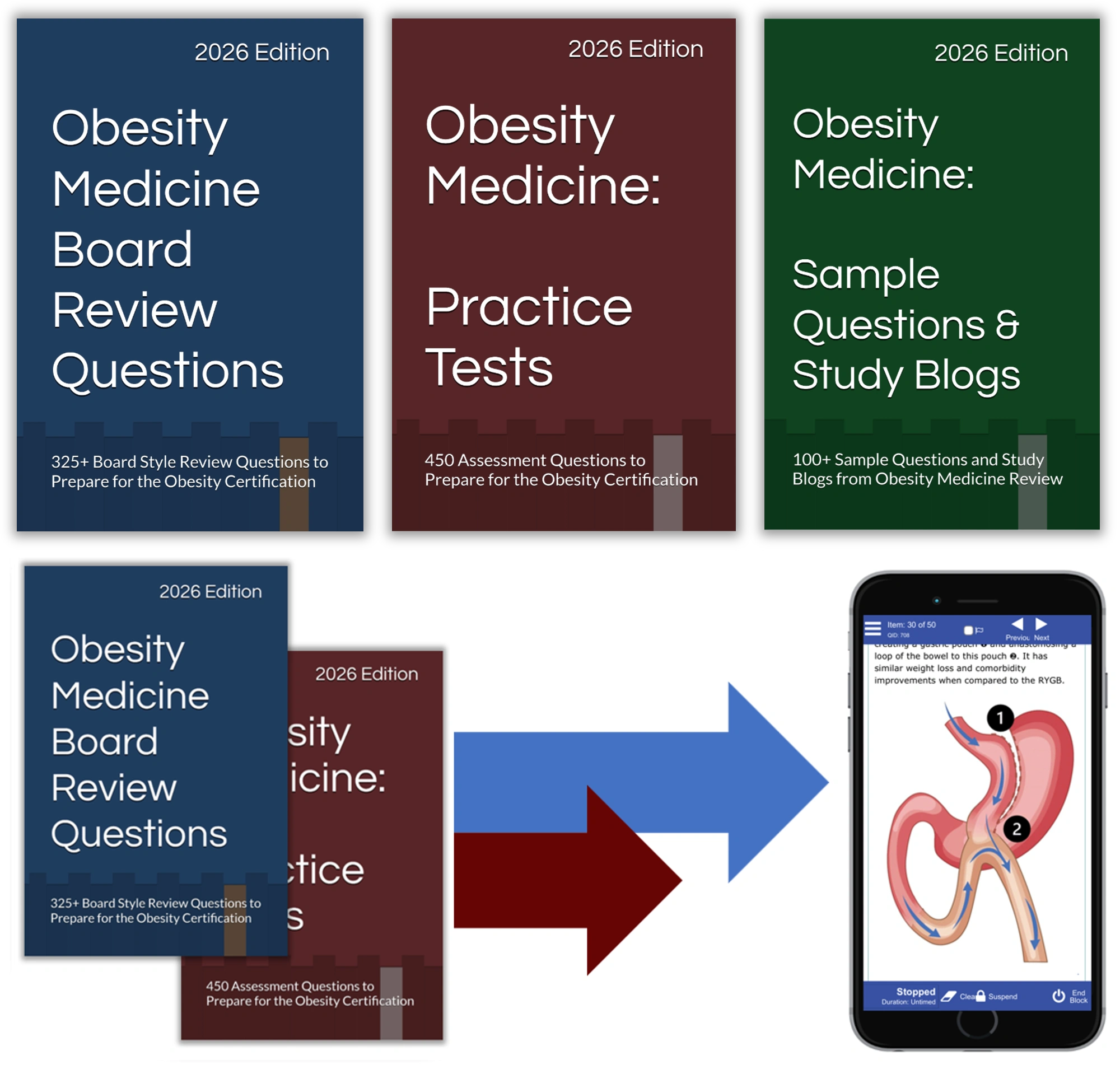
Now available: A full line of ABOM study resources with 775+ challenging questions in a mobile or book format. Access to both formats is available in a discounted Ultimate Package, which also includes a Pass Guarantee (if you fail the exam in 2026, you get the 2027 edition free), 50 bonus questions released in August, and the newest book, Obesity Medicine: Sample Questions and Study Blogs, which includes all the updated previous study blogs in a paperback format. Check it out here!
