

One of the interesting components included within the pediatric obesity guidelines released in 2023 was the addition of contributors to childhood obesity. Both adverse childhood events and antibiotic use were listed as potential contributors. In this blog, we will discuss these components and what you need to be familiar with come test day.
Adverse childhood experiences (ACEs) are traumatic experiences that occur in the early, formative years. Nearly half of children have experienced at least one of these events, and 17% of adults reported that they have experienced at least 4 or more types of ACEs. These events are grouped into the following categories.
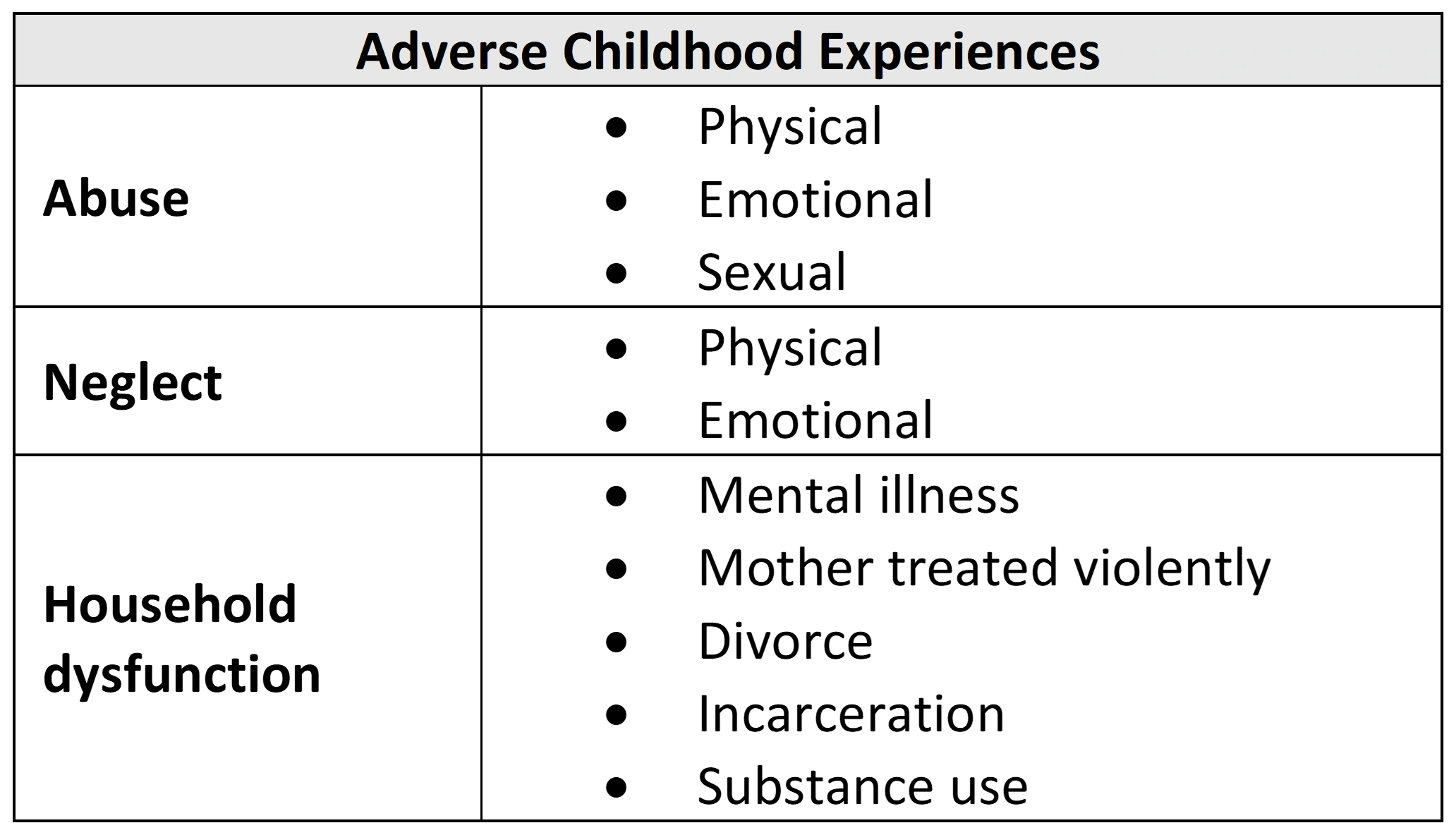
ACEs have a strong effect on a child’s level of stress, which is attributed to numerous long-lasting effects on health. In particular, ACEs are associated with chronic levels of stress and inflammation leading to increased levels of obesity, depression, cardiovascular disease, alcohol use disorder, and even cancer. Estimates show that 1.9 million cardiovascular disease cases and 21 million diagnoses of depression in adults may have been prevented in the absence of ACEs. Death of a parent, family economic hardship, and witnessing domestic violence seem to be the strongest correlated ACEs with obesity, but a cumulative effect is seen; in other words, the more ACEs, the higher the chance of obesity and other negative health consequences.
Children do not simply “grow out of” the effects of these experiences. Chronic stress from ACEs can dysregulate the hypothalamic-pituitary-adrenal axis, altering stress responses later in life. This may lead to increased cravings for comfort foods, poor sleep, and hormonal imbalances (e.g., elevated cortisol and ghrelin), all of which contribute to weight gain. Learned behaviors such as binge eating due to food scarcity, being taught to “clean your plate,” and emotional eating further disrupt appetite regulation. Some individuals, particularly females, may also gain weight as a protective mechanism against abuse, especially sexual abuse. Notably, many of these effects appear more than two years after the initial adverse event, emphasizing the delayed but significant impact of early trauma on obesity risk.
Ongoing studies continue to explore the impact of ACEs with greater nuance, examining factors such as the timing of the events during development, the duration (e.g., a one-time episode of parental depression versus chronic untreated bipolar disorder in a parent), and the proximity of the experience (e.g., direct abuse versus witnessing abuse; household trauma versus community-level exposure, etc.). Additionally, household dynamics may have a compounding multiplier effect. Although many studies have been conducted, variability in the ACE components studied and the metrics used for assessment has led to gaps in our understanding, which require further research.
It is important to recognize that while ACEs are a significant risk factor for obesity, they do not determine outcomes. For clinicians working with pediatric populations, early recognition of ACEs and timely referral to therapeutic support can facilitate healing from trauma and help foster resilience and healthy coping strategies. In adults, acknowledging how early life experiences may relate to current health struggles can itself be validating and therapeutic. Offering access to trauma-based counseling, even years later, may help address the lasting impact of unresolved trauma. Finally, advocacy efforts and public health policies aimed at addressing childhood adversity may positively affect the health of future generations.
Now we will discuss antibiotic associations with excess weight. Over the past few decades, antibiotic use in neonates, infants, and children has increased substantially. Nearly half of all neonates experience prenatal antibiotic exposure, with maternal obesity associated with a higher likelihood of maternal antibiotic prescriptions. Infants delivered via cesarean section are routinely exposed to perioperative antibiotics, and approximately 90% of premature and low birth-weight neonates receive antibiotics in the neonatal period. By age 2, children receive an average of three different antibiotic courses; by age 10, that number climbs to 10 courses, and by age 20, to 17. This rise in antibiotic exposure has raised concerns about its potential contribution to childhood and later-life obesity.
Several studies suggest a correlation between early antibiotic exposure and an increased risk of obesity. The risk appears greater when:
- Antibiotics are given within the first 6 months of life
- Broad-spectrum or macrolide antibiotics are used
- Cumulative antibiotic exposure is higher
- The child is male (boys appear more susceptible than girls)
One of the most studied mechanisms behind this association involves disruption of the gut microbiota, which is still developing in infancy. Early antibiotic exposure can reduce microbial diversity and alter the colonization of the intestinal tract, potentially leading to changes in energy extraction and storage. Studies have found that individuals with normal weight tend to leave more calories unabsorbed in the stool, while those with obesity absorb more, suggesting more efficient caloric harvesting in those predisposed to weight gain. In adults, an increased Firmicutes-to-Bacteroides ratio has been associated with obesity. In infants, lower levels of Bifidobacterium and higher levels of Staphylococcus aureus have been linked to increased weight by age 7.
The method of delivery also plays a role in initial microbial colonization. Cesarean-delivered infants are more likely to develop gut flora resembling skin microbiota, whereas vaginally delivered infants acquire flora from the maternal vaginal tract, an exposure that has been associated with a lower risk of obesity later in life. These shifts may also influence epigenetic regulation, adding another layer of complexity to the developmental origins of health and disease.
In addition to microbiome-related mechanisms, some studies suggest that antibiotics may impair mitochondrial number and function, disrupting energy metabolism and further contributing to weight gain. These multifaceted pathways emphasize the importance of antibiotic stewardship in early life, favoring narrow-spectrum agents when possible and avoiding antibiotics altogether in cases where a viral etiology is likely.
The ABOM test content outline emphasizes early-life exposures and their potential link to obesity. Topics such as antibiotic use, gut microbiota, epigenetics, adverse childhood experiences, and social determinants of health are all fair game on the exam. Understanding these associations is not only important for test performance but also critical for appreciating the long-term impact of early medical and environmental exposures on lifelong metabolic health.
Sample Question
A 45-year-old man with a BMI of 38 kg/m² is referred for obesity management. He reports a long history of emotional eating and says that his weight gain began in adolescence. During the visit, he has attempted multiple diets with only short-term success. He expresses distrust in medical providers, difficulty adhering to structured plans, and emotional detachment. He denies current depression or substance use. His medical history includes hypertension and obstructive sleep apnea. Which of the following screening tools would be most helpful in identifying the root cause of this patient’s eating behavior?
A. Patient Health Questionnaire for depression
B. Binge Eating Scale
C. Childhood Trauma Questionnaire
D. Generalized Anxiety Disorder-7
E. SCOFF questionnaire for eating disorders
Next Week: Underwater Weighing
Following Week: Brown/Beige adiposity
Upcoming: Monthly Knowledge Check. This is a review checklist of must-know items for ABOM exams based on the previous four blog topics (VLCD, antibiotics and ACEs, underwater weighing, and brown/beige adiposity). In addition, this will include a brief explanation of the correct answers to previous sample questions.
For more practice questions, check out the following:
- Obesity Medicine Board Review Questions (2026): Qs 5, 20, and 70.
- Obesity Medicine Practice Tests (2026): Q 272.
(Copyright 2026) Obesity Medicine Board Review Questions, LLC: obesitymedicinereview.com
Featured image: Modified from VectorStock (image license purchased)
Copyediting by Kelly Smith
Now available: A full line of ABOM study resources with 775+ challenging questions in a mobile or book format. Access to both formats is available in a discounted Ultimate Package, which also includes a Pass Guarantee (if you fail the exam in 2026, you get the 2027 edition free), 50 bonus questions released in August, and the newest book, Obesity Medicine: Sample Questions and Study Blogs, which includes all the updated previous study blogs in a paperback format. Check it out here!
