
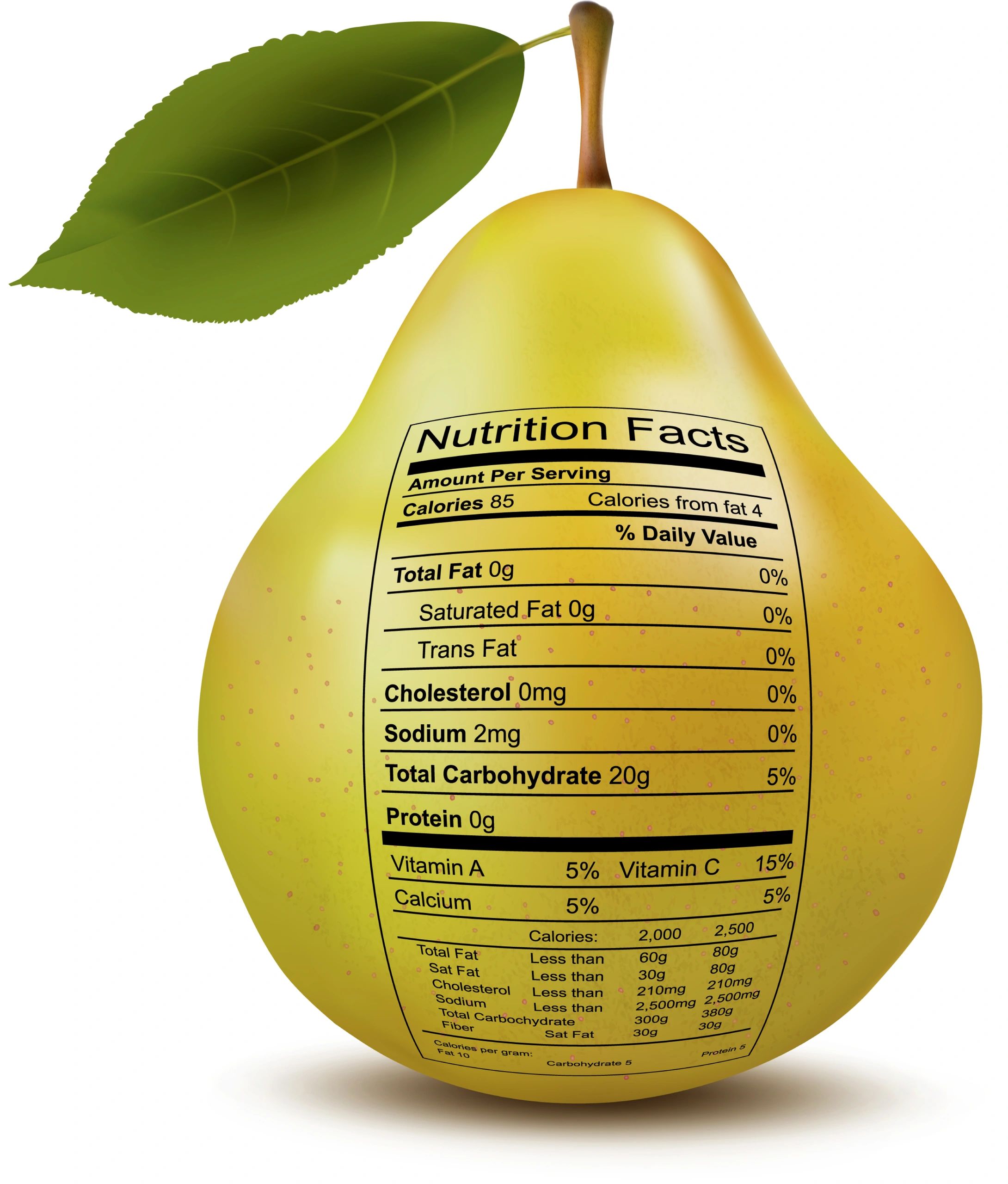
What happens to a patient’s cholesterol panel when they start a carbohydrate-restricted diet? You may guess that all parameters of their lipid panel would improve. However, this concept is not as intuitive as it would seem, which is why you may see this topic on ABOM boards.
Dietary effects on a cholesterol panel occur due to a change of macronutrients based on the restricted eating pattern. For example, a ketogenic plan exchanges carbohydrates with foods that are often higher in cholesterol and fat content, and thus an increase in total cholesterol and LDL may be seen.
Although the pros and cons of different dietary plans would require a more elaborate discussion, what you need to know regarding lipid panels and eating plans is covered thoroughly from an ABOM board standpoint below:
Low-carbohydrate diets:
- More significant increase in HDL and decrease in triglycerides
- May increase LDL, which may be very significant in those with genetic hypercholesterolemia
- A ketogenic diet is associated with moderately increased LDL and total cholesterol, as carbohydrates are often exchanged for foods higher in cholesterol and saturated fats
- Improvements in insulin resistance, glucose levels, and HbA1c occur irrespective of weight loss
Low-fat diets:
- A more significant decrease in LDL
- May also decrease HDL levels
- Improvements in insulin resistance, glucose levels, and HbA1c is only apparent with associated weight loss
Very Low-Calorie Diet:
- An increase in HDL
- Reduction in LDL, triglycerides, and fasting glucose
- Higher incidence of gout, cholelithiasis, and nutritional deficiencies
So, in summary, low-carbohydrate diets have greater improvements in HDL and TG, whereas fat restriction improves LDL. Various “name-brand diets” such as Mediterranean, Atkins, Keto, etc., are mostly variations of the above categories.

Note: Fiber is considered a functional food given its favorable effects beyond basic nutrition, and has been shown to reduce both total and LDL cholesterol.
Sample Question:
A 47-year-old woman with hyperlipidemia and prediabetes presents to her primary care physician because she is not tolerating statin therapy. She would prefer to pursue dietary modifications rather than medication for primary cardiovascular prevention. She is planning to start on a low-carbohydrate dietary pattern. Three months from now, how will her laboratory work likely change?
A. Decreased HDL
B. Increase in TG
C. Increase in LDL
D. Unchanged total cholesterol
UPCOMING:
Mid Week Bonus: Should I take the ABOM exam? Written by Carolynn Francavilla, MD, FOMA, ABOM
Next Week: Monthly Knowledge Check (Subscribe!), which is a checklist of must-know items for ABOM exams based on the previous four blog topics (Vitamin B deficiencies, energy expenditure, sleeve gastrectomy, and dietary effects on the lipid panel). In addition, this will include a brief explanation of the correct answers to previous sample questions.
Upcoming Topics: Leg pathology in kids with obesity (SCFE, Blount, etc.), cellulose and citric acid hydrogel (Plenity ®), motivational interviewing, and immediate RYGB complications: Anastomotic Leak.
For more practice questions, check out the following:
- Obesity Medicine Board Review Questions (2026): Qs 167 and 263.
- Obesity Medicine Practice Tests (2026): Qs 34, 60, 280, 340, and 349.
(Copyright 2026) Obesity Medicine Board Review Questions, LLC: obesitymedicinereview.com
Featured image: Modified from VectorStock (image license purchased)
Copyediting by Kelly Smith
Now available: A full line of ABOM study resources with 775+ challenging questions in a mobile or book format. Access to both formats is available in a discounted Ultimate Package, which also includes a Pass Guarantee (if you fail the exam in 2026, you get the 2027 edition free), 50 bonus questions released in August, and the newest book, Obesity Medicine: Sample Questions and Study Blogs, which includes all the updated previous study blogs in a paperback format. Check it out here!
