
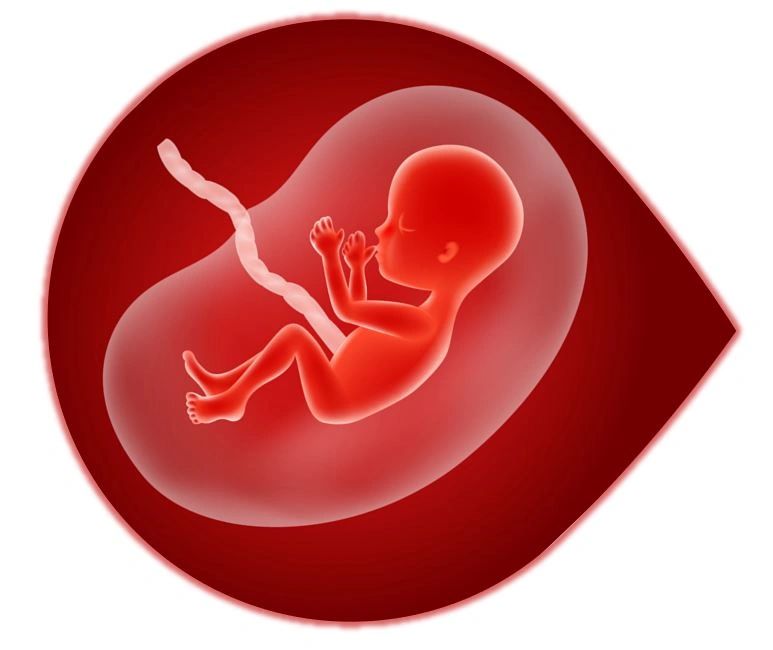
Optimizing positive outcomes during pregnancy is multifaceted. One topic I would expect to see come test day is how preconception weight and pregnancy weight gain significantly affect both maternal health and neonatal epigenetics. You should be familiar with the recommended amounts of weight gain during pregnancy based on preconception weight, as the ABOM has now added two resources to their testing list highlighting this importance. This list includes articles from the United States Preventive Services Task Force (USPSTF) and the American College of Obstetricians and Gynecologists, both of which align with the World Health Organization recommendations.
Nearly 50% of those who become pregnant meet the criteria for either overweight (24%) or obesity (24%). Of this population, half will exceed their recommended weight gain during pregnancy. Weight gain recommendations are based on the pre-pregnancy weight. Excess weight gain has been shown to increase the risk of large for gestational age neonates, which increases the risk for delivery complications such as shoulder dystocia and cesarean section deliveries. There is also a higher chance of long-term postpartum weight retention.
The table below summarizes the recommended weight gain during pregnancy based on pre-conception body mass index. These values must be memorized for boards. In addition, it is helpful to know the recommended rate of weight gain. During the second and third trimester of pregnancy for those in the underweight and normal weight categories, 1 lb/week is appropriate. In contrast, those with pre-obesity (overweight) or obesity should gain half that rate (0.5 lb/week). Pregnancy weight restriction is favored over active weight loss during pregnancy. Importantly, these weight gain recommendations are for singleton pregnancies and exclude multi-gestation pregnancies, which is beyond the level of ABOM boards.

There is also a link between childhood obesity rates and pregnancy weight gain, via epigenetics. If you recall, epigenetics is the concept that the fetal environment can affect genetic expression via methylation and chromatin covalent modifications (read more about that here). These environmental factors include pre-conception parental health, which directly affects the offspring. Thus, optimizing health prior to conception mitigates the risk of childhood obesity.
With nearly half of all women of childbearing age meeting the criteria for overweight and obesity, discussing pregnancy weight gain restrictions becomes a priority. The USPSTF found that more frequent education and discussion of strategies to prevent excess weight gain have moderate benefits, with no significant harm. Similar to the pediatric population, regular and frequent patient contact has the greatest positive effect.
Since we are on the topic of pregnancy, it provides an opportunity to refresh on other vital pregnancy-related topics that are likely to show up on boards:
- Weekly subcutaneous GLP-1 medications such as semaglutide are recommended by the manufacturer to be discontinued ≥2 months prior to pregnancy.
- Tirzepatide and topiramate are contraindicated in those who could become pregnant due to adverse outcomes. Topiramate specifically can cause cleft lips and cleft palates. Topiramate can also increase the metabolism of oral estrogen contraceptives, thus increasing the risk of pregnancy if taken concurrently, and necessitating the use of alternative birth control options or additional barrier protection. Tirzepatide has an increased risk of ‘fetal harm.’
- All anti-obesity medications are contraindicated during pregnancy, and most during breastfeeding.
- Adequate folic acid supplementation is vital to prevent neural tube defects. This is particularly important for those who have undergone malabsorptive procedures.
- Surgery guidelines recommend against getting pregnant before metabolic and bariatric surgery and 12-18 months after surgery.
- 5-10% weight loss increases the chance of pregnancy by improving hormone regulation, thus increasing fertility significantly. Many patients who feel like they ‘can’t get pregnant’, and thus don’t use birth control, are often surprised.
- Children born via cesarean sections have an increased risk of childhood obesity, with skin flora replacing vaginal flora, with its effect on the microbiome potentially playing a role.
For test day, focus on memorizing the table, understanding epigenetics, and also be familiar with the bulleted points above. The ABOM exam is not specialty-specific, which means all specialties are fair game. This can be challenging when a component falls outside your daily scope of practice. However, obesity affects all specialties. Focus on your weaker areas and ensure you have a solid grasp of a variety of topics before test day.
Sample Question:
A 26-year-old woman presents to the labor and delivery unit in active labor. Upon chart review, it is noted she has gained 27 lb during her pregnancy. This amount of weight gain is most appropriate for a patient in which preconception weight category?
A. Underweight
B. Normal weight
C. Overweight
D. Obesity class 1
E. Obesity class 2
Next Week: Measuring dietary intake
Upcoming: Viral etiology of obesity and metabolic-associated steatohepatitis
For more practice questions, check out the following:
- Obesity Medicine Board Review Questions (2026): Q 153.
- Obesity Medicine Practice Tests (2026): Q 424.
(Copyright 2026) Obesity Medicine Board Review Questions, LLC: obesitymedicinereview.com
Featured image: Modified from VectorStock (image license purchased)
Copyediting by Kelly Smith
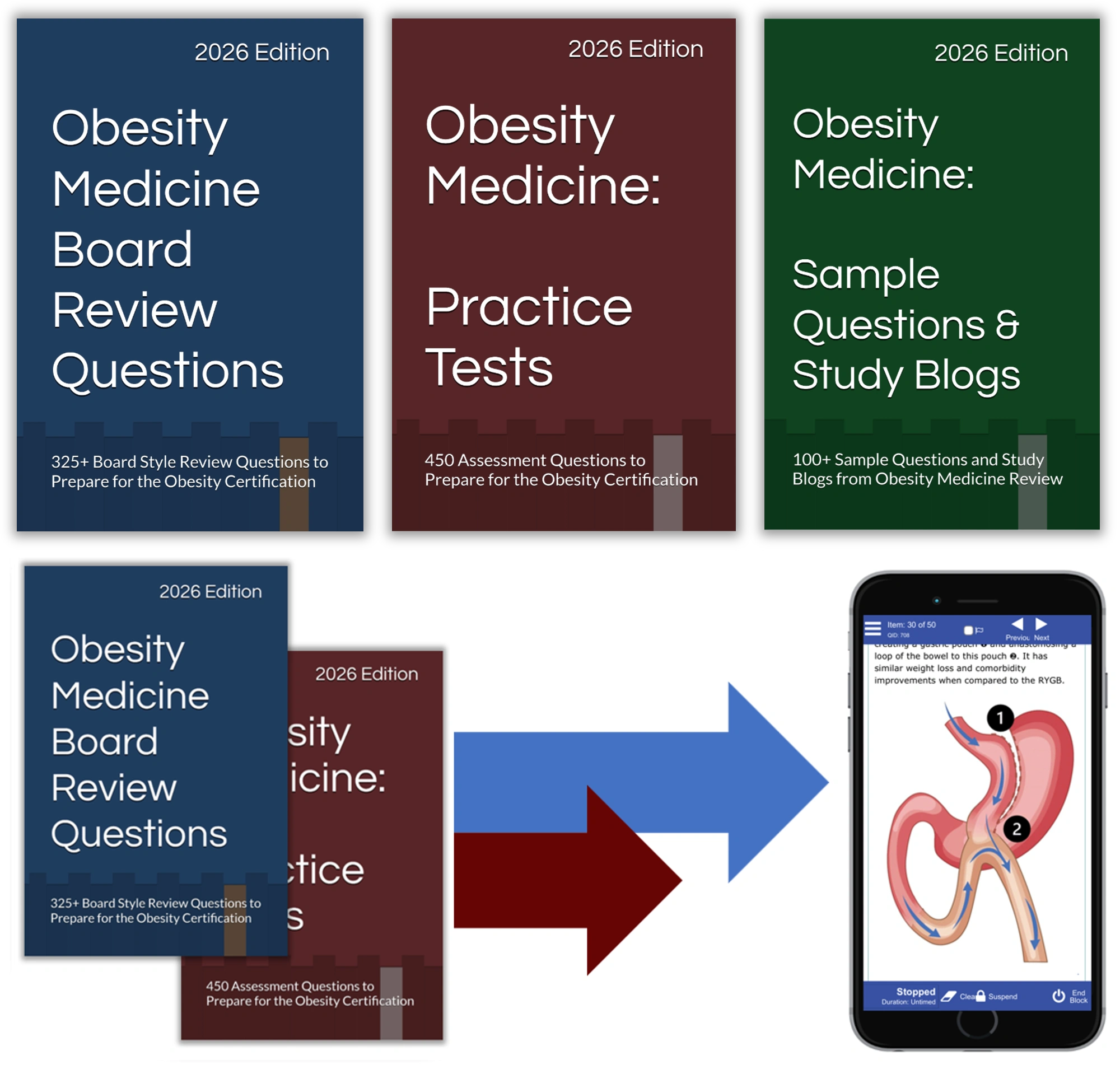
Now available: A full line of ABOM study resources with 775+ challenging questions in a mobile or book format. Access to both formats is available in a discounted Ultimate Package, which also includes a Pass Guarantee (if you fail the exam in 2026, you get the 2027 edition free), 50 bonus questions released in August, and the newest book, Obesity Medicine: Sample Questions and Study Blogs, which includes all the updated previous study blogs in a paperback format. Check it out here!
