
Micronutrient deficiencies are common within obesity medicine. Although usually seen after metabolic and bariatric surgery (MBS), there is a higher prevalence among patients with obesity when compared to the general population. This is attributed to concerns with fad diets, very low-calorie diets, and underlying eating disorders. The old, debunked adage “calories in, calories out” may drive some patients to unhealthy eating patterns. In any situation, a thorough dietary history and high-quality patient education can help reduce and mitigate deficiencies.
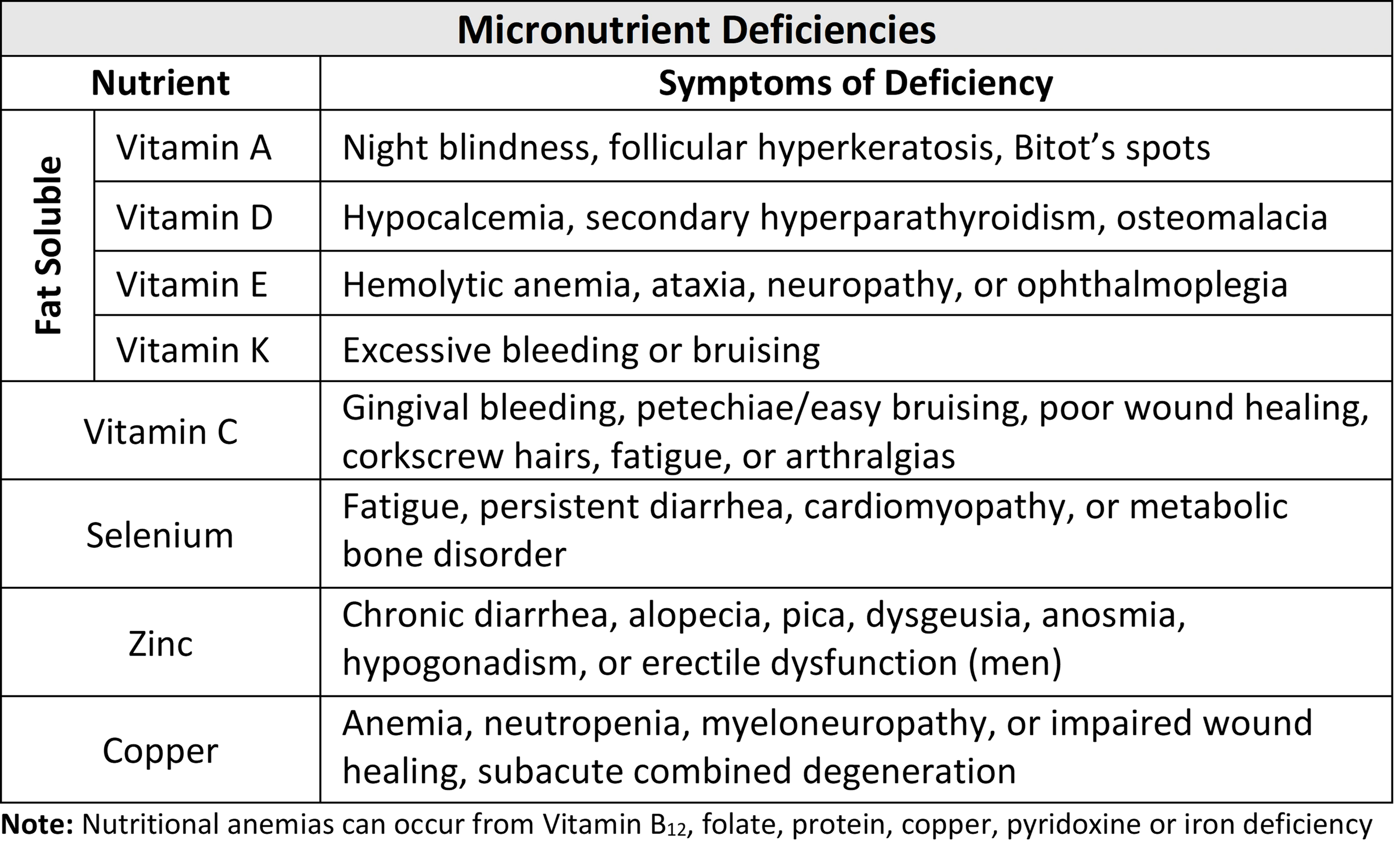
While developing an understanding of the underlying pathophysiology is important to clinical practice, being able to correlate symptoms with certain vitamin deficiencies will require rote memorization. This will be important for the ABOM boards and will serve your potential clinical patient needs. For example, a patient presenting with follicular hyperkeratosis is likely to have a vitamin A deficiency. Or another patient presenting with anosmia and alopecia may have zinc deficiency.
However, expect obesity boards to take this further and correlate common deficiencies to post-bariatric surgery anatomy. For this, you need to understand where certain minerals and vitamins are absorbed, and again this will require more memorization.
- Duodenum: Iron (majority) and calcium
- Jejunum: Folate, carbohydrates, amino acids, potassium. The proximal portion can also absorb iron.
- Ileum: B12, potassium, minerals, salts, fats, fat-soluble vitamins
- Colon: Vitamin K, biotin, B1, B3, water, sodium, chloride
So, for patients status post Roux-en-Y gastric bypass, the duodenum and part of the jejunum are bypassed, which explains why iron deficiency is so common in these patients (and challenging to keep up with orally). A sleeve gastrectomy 113 can cause vitamin B12 deficiency due to the lack of its cofactor, intrinsic factor, which is produced in the gastric parietal cells and is significantly reduced with the removal of up to 80% of the stomach during this surgery. In addition, medications such as orlistat can cause fat-soluble vitamin deficiencies (A, D, E, and K).
As you can see, memorization will be key to micronutrient deficiencies. Make sure you memorize the chart below and the areas of absorption above. In addition, I did a previous blog post on vitamin B deficiencies titled Vitamin B Deficiencies. Finally, think of these micronutrient deficiencies in patients who present to your office with symptoms that you are struggling to come up with a diagnosis, especially in those patients who had MBS years ago and did not have appropriate laboratory follow-up.
Sample Question
A patient is six months post-biliopancreatic diversion with duodenal switch and has been happy with her weight loss thus far. However, she has noticed that her hair has since grown slower and has now started to fall out. This is very concerning to her. She admits to taking one prenatal vitamin daily and following all food restrictions. Recent thyroid levels and complete metabolic panel were normal. Given these findings, what micro deficiency is the most likely explanation for her symptoms?
A. Selenium
B. Zinc
C. Copper
D. Vitamin K
E. Vitamin A
Next Week: Night eating syndrome
Upcoming Topics: NPY/AgRP vs. POMC/CART pathways, and obesity stigma/bias/first-person language.
For more practice questions, check out the following:
- Obesity Medicine Board Review Questions (2026): Qs 54, 117, 131, 215, and 230.
- Obesity Medicine Practice Tests (2026): Qs 2, 86, 109, 232, 321, and 440.
(Copyright 2026) Obesity Medicine Board Review Questions, LLC: obesitymedicinereview.com
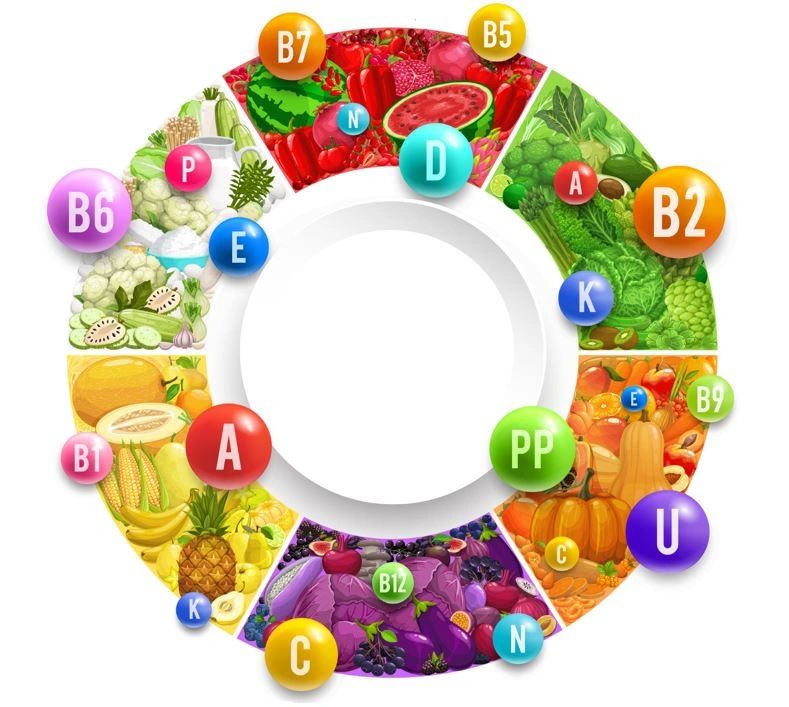
Featured image: Modified from VectorStock (image license purchased)
Copyediting by Kelly Smith
Now available: A full line of ABOM study resources with 775+ challenging questions in a mobile or book format. Access to both formats is available in a discounted Ultimate Package, which also includes a Pass Guarantee (if you fail the exam in 2026, you get the 2027 edition free), 50 bonus questions released in August, and the newest book, Obesity Medicine: Sample Questions and Study Blogs, which includes all the updated previous study blogs in a paperback format. Check it out here!
