
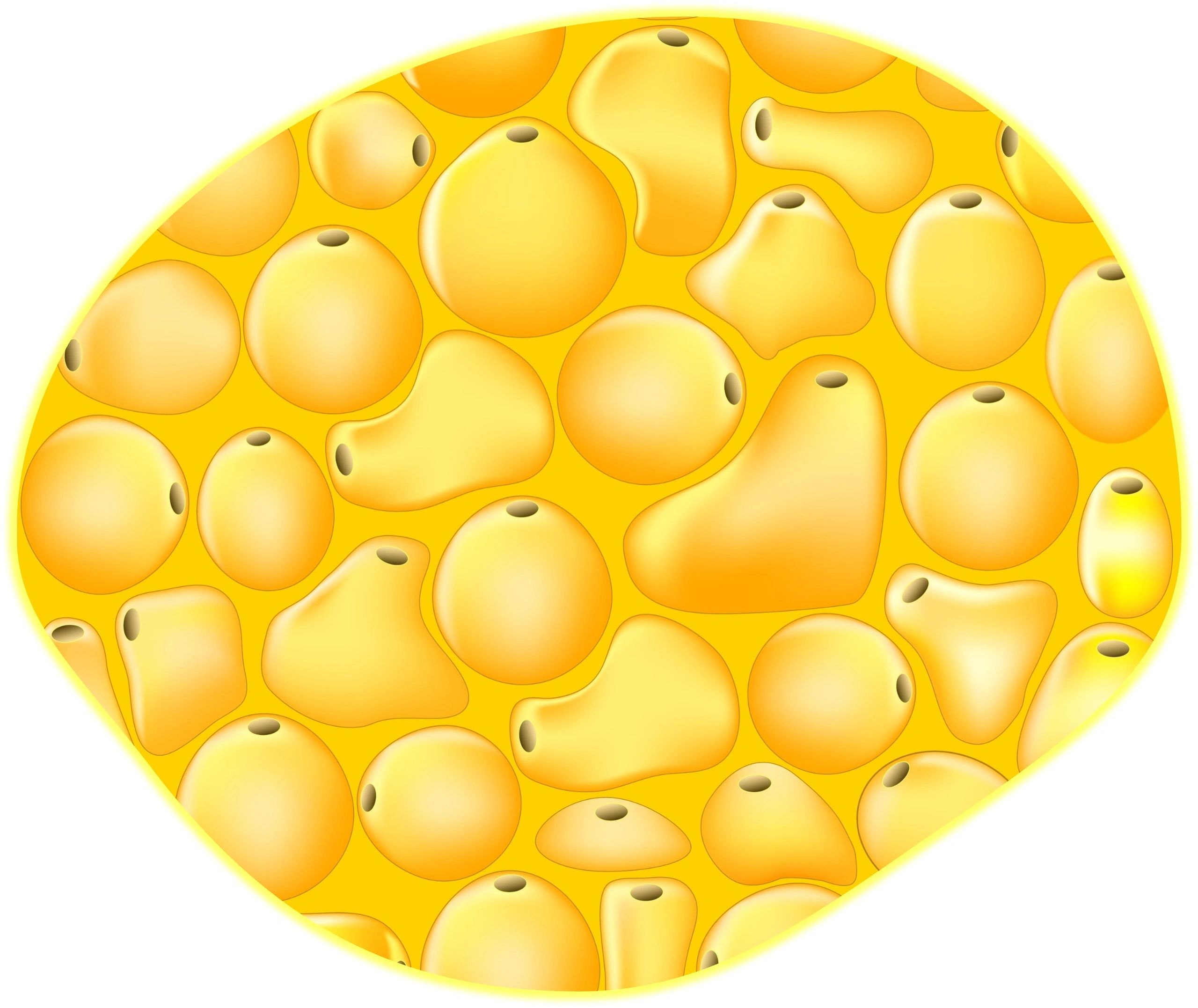
Once thought to be an inert form of energy storage, adipose tissue is now known to be one of our body’s most hormonally active tissues. Hormones secreted by fat tissue are not always detrimental; some tie into the anorexigenic central pathway. In this blog, we will summarize some of these nuances and discuss the most important systemic influences that arise from this abundant component.
With most of the discussion in obesity medicine revolving around reducing adipose tissue, let’s discuss a few of the positive roles this tissue offers. First and foremost, it is a form of energy storage. Storing high-potency fat allows for some compensation in settings of prolonged anorexia, such as severe illness, malignancy, etc. It provides visceral thermal insulation and protects against damage during falls or trauma. In fact, the coined phrase “metabolically healthy obesity” describes some pheno-atypical individuals with excess adipose tissue who tend not to experience metabolic complications despite the increased fat mass, a phenomenon contributing to the obesity paradox. All that to say, adipose tissue is not always the bad guy on an individual level, especially in moderation and particularly if stored more subcutaneously than viscerally. However, when seen in excess on a population level, these protective influences are overshadowed by increased adiposopathy and fat mass comorbidities. Thus, excess adipose tissue provides more harm than benefit for most people.
Now let’s delve into some of the individual hormones secreted by adipose tissue:
- Adiponectin: I have a full blog on this hormone you can read more in-depth on here. Adiponectin is exclusively produced and is the most abundantly produced hormone in white adipose tissue. It counters many of the negative effects of the other hormones, such as reducing endothelial inflammation, increasing HDL production, and increasing insulin sensitivity. Unfortunately, this hormone is inversely proportional to adiposity; in other words, the more adipose tissue you have, the more this hormone is downregulated.
- Leptin: This hormone is made proportionally to the quantity of adipose tissue. It stimulates the central anorexigenic pathway and downregulates the orexigenic pathway, ultimately leading to increased satiety and energy expenditure. Although this positive effect would seemingly stop weight gain as adiposity increases, many patients with obesity have some level of resistance, blunting its potent effects.
- Aromatase: The conversion of androgens to estrogens by adipose tissue imposes an increased risk of certain malignancies, such as endometrial and estrogen receptor-positive breast cancer. It also interferes with fertility and menstrual cycles.
- Resistin: This hormone increases insulin resistance, thereby decreasing glucose uptake while increasing gluconeogenesis in the liver.
- Angiotensinogen: The same hormone involved in the renin-angiotensinogen-aldosterone system is secreted by adipose tissue. This helps explain the relationship between hypertension and obesity, and one of the reasons ACE inhibitors and ARBs may be a good initial pharmacotherapy option in those with obesity.
- Inflammatory markers: Multiple pro-inflammatory cytokines, prostaglandins, interleukins (e.g. IL-6), tumor necrosis factor, and acute phase response proteins (e.g. C-reactive protein) are secreted by the fat cells. These increase inflammation on a systemic level (including endothelial inflammation) and impair the immune response.
- PAI-1: An inhibitor of fibrinolysis, this hormone increases the risk of blood clots.
All hormonal influences have downstream effects, affecting hepatic cholesterol/triglyceride synthesis, sex hormone-binding levels and, therefore, total testosterone levels, and atherosclerosis burden, to name a few. These hormones also interact with local free fatty acid deposition viscerally, leading to the inflammation and impairment of local organs (i.e., steatohepatitis, pericardial fat deposition, etc.). It makes sense that clinically effective weight loss is seen with a reduction of body weight of 5-10%. This relatively small reduction in adipose tissue reduces a significant hormonal burden, thus improving both adiposopathy and fat mass-related disease processes.
Come test day, understand that adipose tissue is not an inert storage site for excess calories but rather a significantly active hormonal player in multiple disease processes. Be most familiar with adiponectin and leptin, and their downstream effects, quantitative fluctuations with weight loss/gain, and central and peripheral roles they play. Know the other mentioned hormones and be able to briefly describe their detrimental influence. All of that said, also be familiar with some of the individualized positive effects seen as it relates to the obesity paradox. Finally, as will be discussed in a future blog, understand the difference between white and brown fat.

Sample Question
A 29-year-old woman presents for a follow-up appointment with her primary care physician. Over the past year, she has lost 40 lb (18.1 kg), which she attributes to meal replacements and an effective exercise regimen. A recent body composition scan revealed a 3% reduction in adipose tissue. However, she has regained 5 lb (2.3 kg) over the past two months. She denies changing her diet or exercise regimen but admits to “sneaking a few extra snacks here and there,” as she states her hunger has increased. Which of the following neurohormonal changes is most likely contributing to her increased weight gain?
A. Increased leptin levels
B. Loss of inhibition of the NPY/ AgRP pathway
C. Melanocortin 4 receptor activation
D. Orexin A and B hormone suppression
E. Inhibition of neurotrophic factor
Next Week: Metabolic syndrome
Upcoming: Monthly Knowledge Check. This is a review checklist of must-know items for ABOM exams based on the previous four blog topics (Gastroplasty, Cohen’s Syndrome, active adipose tissue, and metabolic syndrome). In addition, this will include a brief explanation of the correct answers to previous sample questions.
For more practice questions, check out the following:
- Obesity Medicine Board Review Questions (2026): Qs 27, 45, and 357.
- Obesity Medicine Practice Tests (2026): Qs 49, 111, 113, 230, 236, 261, and 357.
(Copyright 2026) Obesity Medicine Board Review Questions, LLC: obesitymedicinereview.com
Featured image: Modified from VectorStock (image license purchased)
Adipose image: Image custom-created. Copyright owned by Kevin Smith, DO
Copyediting by Kelly Smith
Now available: A full line of ABOM study resources with 775+ challenging questions in a mobile or book format. Access to both formats is available in a discounted Ultimate Package, which also includes a Pass Guarantee (if you fail the exam in 2026, you get the 2027 edition free), 50 bonus questions released in August, and the newest book, Obesity Medicine: Sample Questions and Study Blogs, which includes all the updated previous study blogs in a paperback format. Check it out here!
