
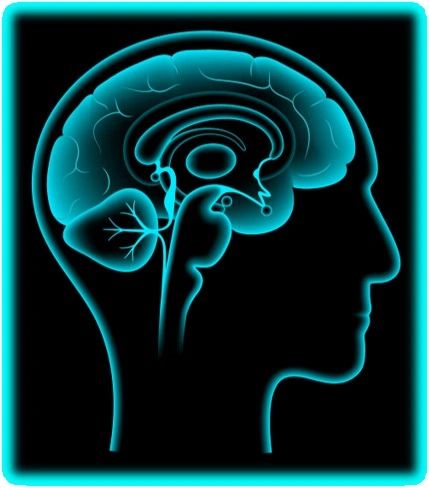
The hypothalamus is the control center of the brain. It regulates sleep, hunger, and temperature and plays a role in a number of other hormonal influences throughout the body. Damage or lesions in this area have markedly stronger effects hormonally throughout the body than any other part of the brain.
As its name implies, hypothalamic obesity is a secondary cause of obesity due to the dysfunction or dysregulation of the hypothalamus. More specifically, this etiology of excess weight occurs due to damage of the ventromedial hypothalamus (VMH), leading to loss of homeostatic inputs, and thus causing decreased energy expenditure, hyperphagia, and subsequent obesity. Although it is a relatively rare cause of obesity in clinical practice, its prevalence is much higher on obesity medicine boards. Fortunately, there are a few clues to be aware of that will point toward this condition on test day.
Hypothalamic obesity can be caused by any disruption of the VMH. Craniopharyngiomas are the most common tumor to cause it (making it an ideal target for exams), but trauma, radiation, or even increased intracranial pressure itself can lead to this condition. Depending on the etiology and the scope of the damage, patients will often have other hormonal abnormalities and endocrinopathies that are clues for hypothalamic damage. Visual changes due to compression of the optic chiasm causing bilateral hemianopsia is especially common for a craniopharyngioma, a rare, slow-growing cystic lesion that develops from the remnants of Rathke’s pouch. Hypogonadism, including amenorrhea and erectile dysfunction, central diabetes insipidus, temperature dysregulation, and hypothyroidism, can all occur. Headaches are also very common.
A unique feature of hypothalamic obesity, from a pathophysiologic standpoint, is the specific brain regions involved. The areas responsible for hunger regulation, the ventromedial hypothalamus (VMH), paraventricular nucleus, and arcuate nucleus, are key players that, as discussed in previous blogs, participate in the POMC/CART and AgRP/NPY pathways. These are the precise regions affected in hypothalamic obesity.
Memory aid: Masses in the ventromedial hypothalamus lead to more weight, whereas lesions in the lateral hypothalamus lead to less weight.
There is no definitive special treatment for hypothalamic obesity except to diagnose and treat the underlying cause if indicated (especially a tumor) and to treat any concurrent endocrinopathy. Patients can achieve success with metabolic and bariatric surgery, although the effects may be less pronounced than those experienced by individuals without this condition. Other medications are currently being investigated for their efficacy for this secondary cause of obesity; however, they will not be tested on examinations until stronger evidence mounts.
Overall, I suspect hypothalamic obesity will likely be tested fairly superficially. Knowing why these disturbances occur and where they happen (as well as the central nervous system pathways) will likely be enough to score some low-hanging fruit. Be on the lookout for craniopharyngiomas, given their commonality as a cause of hypothalamic obesity.
Sample Question
A 66-year-old woman presents to the clinic for worsening vision. She states that this has been progressing for the past six months, but recently, it nearly caused a car accident. She has also had daily headaches, which she attributes to vision changes, and reports she always feels hungry. Her vital signs are normal except for her BMI, which has increased from 31 to 33 kg/m² since last year. Physical exam reveals bilateral loss of the lower peripheral visual fields. Laboratory work reveals a TSH of 0.1 µU/mL (reference range: 0.5–5.0 µU/mL) and a T4 of 2 µg/dL (reference range: 5–12 µg/dL). Prolactin levels are normal. Which of the following is the most appropriate next step?
A. Brain imaging
B. Levothyroxine replacement
C. Ophthalmology referral
D. Radioactive iodine scan of the thyroid
E. Growth hormone and ACTH levels
Next Week: Gastric balloons
Upcoming: Setmelanotide and VO2 max
For more practice questions, check out the following:
- Obesity Medicine Board Review Questions (2026): Q 66.
- Obesity Medicine Practice Tests (2026): Qs 291, 339, and 371.
(Copyright 2026) Obesity Medicine Board Review Questions, LLC: obesitymedicinereview.com
Featured image: Modified from VectorStock (image license purchased)
Copyediting by Kelly Smith
Now available: A full line of ABOM study resources with 775+ challenging questions in a mobile or book format. Access to both formats is available in a discounted Ultimate Package, which also includes a Pass Guarantee (if you fail the exam in 2026, you get the 2027 edition free), 50 bonus questions released in August, and the newest book, Obesity Medicine: Sample Questions and Study Blogs, which includes all the updated previous study blogs in a paperback format. Check it out here!
