Growth hormone deficiency (GHD) is included in the ABOM test content blueprint, specifically requiring the knowledge to identify signs and symptoms of…
Knowledge checks will be available every fifth blog and consist of a checklist of objectives and questions based on the prior blog posts. In addition,…
The increased incidence and health burden of obesity supports expanded treatment options, as over 1 billion people worldwide are expected to meet obes…
Motivational interviewing is often one of the more challenging areas of obesity medicine because of its somewhat subjective nature. Many questions hav…
Like other medication classes, anti-obesity medications (AOMs) have seen their fair share of pharmacotherapy withdrawal from the market. Reasons range…
Knowledge checks will be available every fifth blog and consist of a checklist of objectives and questions based on the prior blog posts. In addition,…
This is the second part of our two-part blog series covering The American Association of Clinical Endocrinology Consensus Statement: Algorithm for the…
The American Association of Clinical Endocrinology Consensus Statement: Algorithm for the Evaluation and Treatment of Adults with Obesity/Adiposity-Ba…
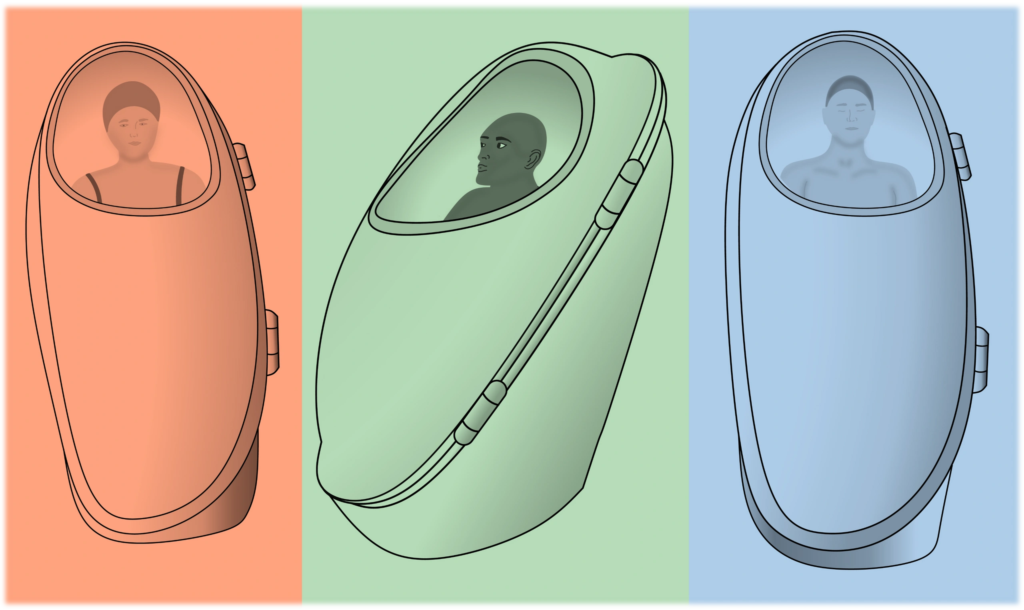
Although dual-energy X-ray absorptiometry is considered the gold standard for body composition assessment, air displacement plethysmography (ADP) is a…
Knowledge checks will be available every fifth blog and consist of a checklist of objectives and questions based on the prior blog posts. In addition,…
One of the topics now included in the updated ABOM test content outline is the built environment (A.8), specifically the relationship between the buil…
Proopiomelanocortin (POMC) deficiency is a relatively recently defined condition, first described in 1998. It is also very rare, affecting fewer than …
Over the past year, indications for anti-obesity medications (AOM) have shifted from strict BMI cut-offs to broader, more inclusive criteria. In this …