
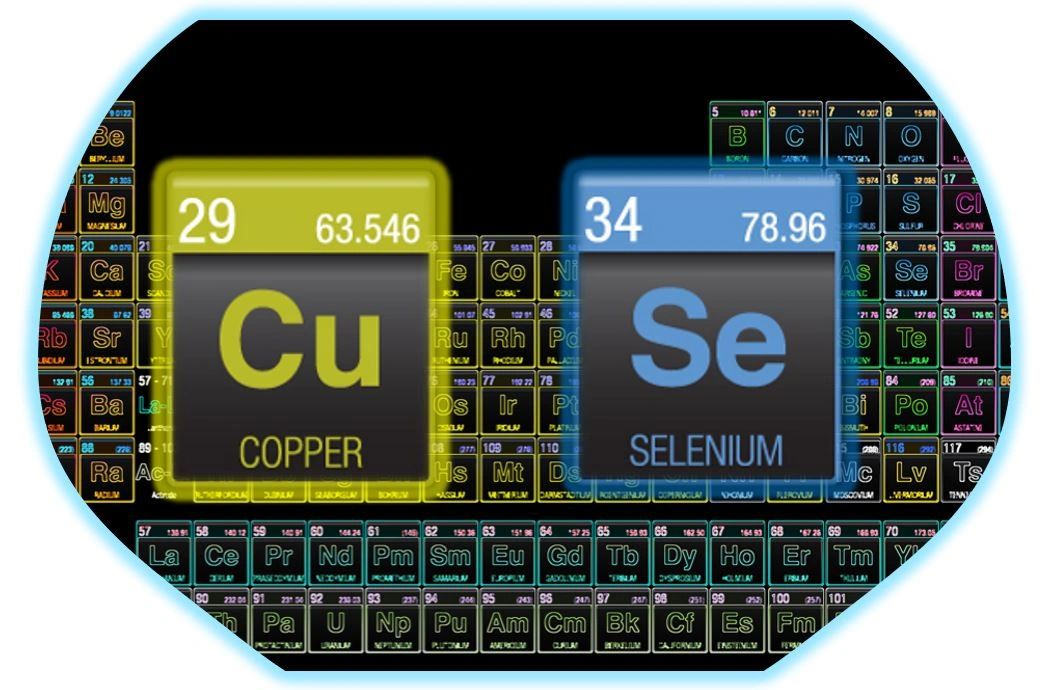
Knowledge of nutritional deficiencies is not only key on test day, but also vital in the clinical setting. Obesity medicine physicians are at the forefront of recognizing symptoms of deficiency in those who have undergone malabsorptive procedures or in patients who have excessively restricted their dietary intake. I have previously written blog posts discussing macronutrient, vitamin, and mineral deficiencies. However, this week I want to highlight two that may be overlooked: copper and selenium.
Let’s start with selenium. Selenium deficiency occurs in higher prevalence in those on a long-term ketogenic diet. This diet tends to contain fattier foods, which are not often rich in selenium. This dietary plan restricts carbohydrates, which may limit the intake of fruits, grains, and legumes, which are significant sources of selenium. This is a high-yield association that must be recognized on exam day.
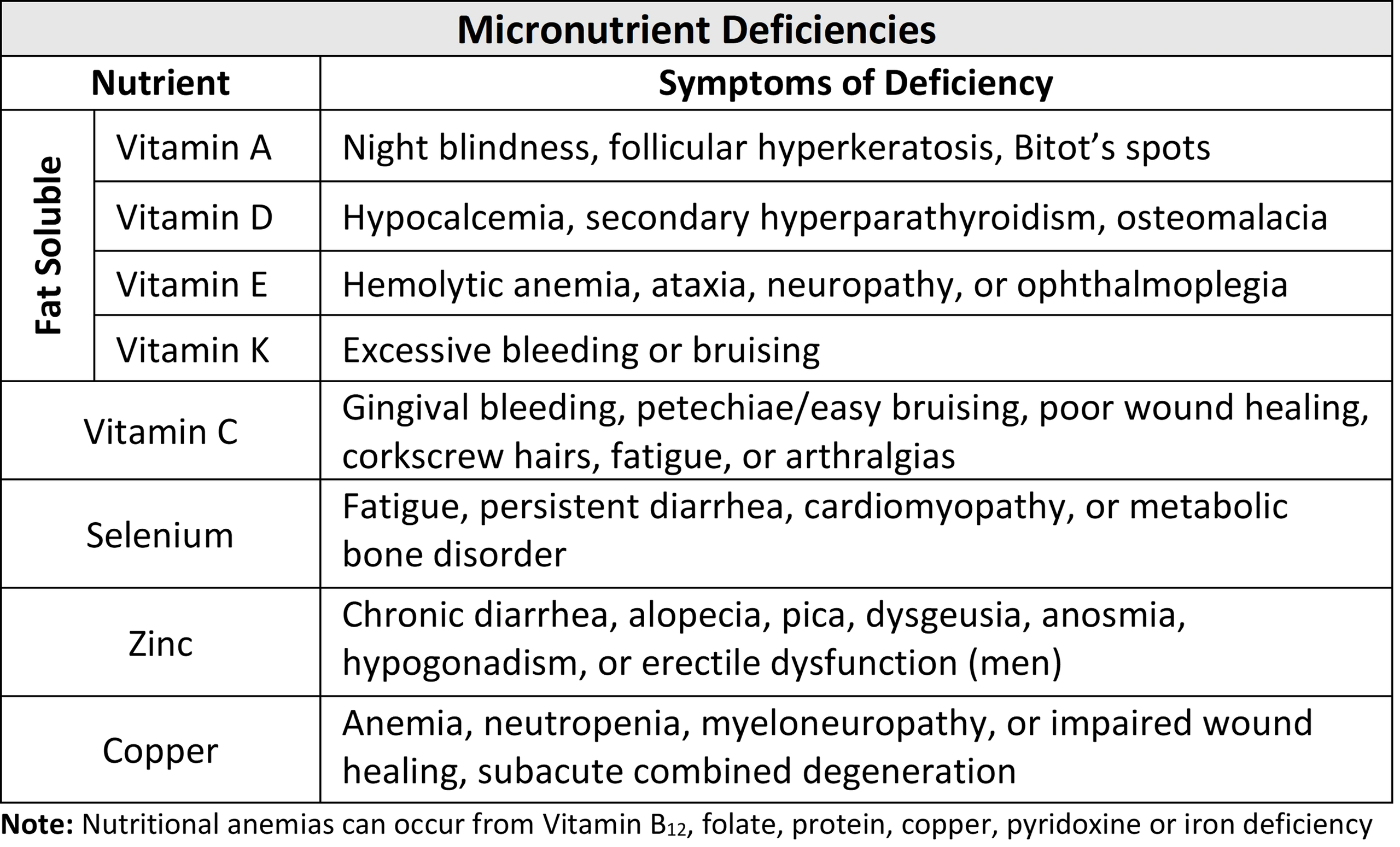
The most notable finding attributed to selenium deficiency is cardiomyopathy. Heart failure in the setting of a new dietary plan or nutrient restriction should clue you into thiamine (wet beriberi) or selenium deficiency. Findings such as bibasilar rales, lower extremity edema, jugular venous distention, and S3 are all exam findings consistent with heart failure. If this is seen, and it is a question on micronutrient deficiencies, look for vitamin B1 deficiency or the mineral selenium as an answer option. Other findings of selenium deficiency include fatigue (likely too vague to test on), metabolic bone disease, or even persistent diarrhea (also think about niacin deficiency associated with pellagra with diarrhea).
Selenium deficiency can be prevented by promoting certain foods, including seafood (tuna, halibut, etc.), meats (beef, turkey, and chicken), eggs, and certain nuts such as Brazil nuts, flaxseed, and sunflowers. In addition, supplementation with a multivitamin can prevent selenium deficiency. With any restrictive diet, a consultation with a registered dietitian (RD) can help fill in the gaps and assist the patient in controlled dietary intake that prevents deficiencies. Although this may be unlikely to be an answer option for the ABOM examination, clinically, an RD can be a lifesaver.
Now, let’s move on to copper deficiency. As an overview, copper deficiency looks a lot like B12 deficiency. So much so that if there was a question on this topic, they would have to provide a little more information in the question stem to decipher those two (see blog titled Vitamin B Deficiencies). Copper often causes macrocytic anemia, although it can less commonly cause normocytic or microcytic anemia, so the MCV will not always be as useful in deciphering etiologies. Leukopenia (neutropenia) and myeloneuropathy (ataxia, spasticity, numbness, and paresthesia in a stocking-glove configuration) are often present early in the deficiency.
Copper deficiency is less commonly thought of, thus increasing its prevalence on boards. Anytime you think the answer may be B12 deficiency, also consider copper. If the patient is on a vegan diet or long-term metformin, B12 deficiency is more likely, given these risk factors. However, if a patient has the triad of neutropenia, myeloneuropathy, and anemia, copper deficiency should be top of the list. Malabsorptive procedures are the most common cause of copper deficiency. Importantly, an excess of zinc, which can be found in denture creams, can also prevent copper absorption leading to deficiency. In contrast, if initially subacute combined degeneration (loss of proprioception or vibratory sensation) is seen, B12 is more likely, with spastic findings rarer, and not occurring until later in the course.
As a quick summary, neurologic findings associated with vitamin/mineral deficiencies in the setting of a malabsorptive procedure/restricted diets are summarized below:
- Thiamine (B1): Occurs days to weeks after surgery. Nystagmus and ataxia (Wernicke’s) may be seen initially. Longer-term, it may present with ascending weakness mimicking Guillain–Barré syndrome (dry beriberi) or heart failure (wet beriberi).
- Niacin (B3): This vitamin deficiency can lead to dementia or memory issues (pellagra), but it is commonly seen with concurrent diarrhea and dermatitis.
- Pyridoxine (B6): This vitamin deficiency can cause neuropathy, but if it causes anemia, it would be a microcytic anemia.
- Cyanocobalamin (B12): This deficiency occurs months to years after surgery. Loss of proprioception and vibration sense is seen earlier, whereas myeloneuropathy is generally seen later. Often pancytopenia is present as B12 is involved in DNA synthesis of all cell lines. In contrast, thrombocytopenia would be very rare in copper deficiency. Glossitis is characteristic of vitamin B12 deficiency, not copper deficiency.
- Copper: Deficiency of copper occurs months to years after metabolic and bariatric surgery. Myeloneuropathy with anemia and neutropenia are common. A spastic gait, ataxia, and paresthesias in a stocking-glove configuration may also be seen. It most commonly causes a macrocytic anemia.
Keep in mind that copper and B12 deficiencies may occur concurrently, especially after bariatric surgery. If a patient is on B12 replacement therapy but symptoms do not improve, copper may be the culprit. Taking extra time to decipher the nuances between these can allow you to increase your score. A summary of micronutrient deficiencies is provided below for reference.
Sample Question
A 41-year-old woman presents to the clinic with lower extremity edema and dyspnea on exertion. She states she started a strict ketogenic diet 5 months prior and has lost 22 lb (11 kg). Bibasilar rales are heard on physical examination and her BNP is 428 pg/mL (reference range: <100 pg/mL). Supplementation with which of the following could have prevented her findings?
A. Selenium
B. Zinc
C. Niacin
D. Riboflavin
E. Copper
Next Week: Pediatric Hypertension
Upcoming: Fragile X Syndrome and Monthly Knowledge Check
For more practice questions, check out the following:
- Obesity Medicine Board Review Questions (2026): Qs 98 and 230.
- Obesity Medicine Practice Tests (2026): Qs 109, 183, and 321.
(Copyright 2026) Obesity Medicine Board Review Questions, LLC: obesitymedicinereview.com
Featured image: Modified from VectorStock (image license purchased)
Copyediting by Kelly Smith
Now available: A full line of ABOM study resources with 775+ challenging questions in a mobile or book format. Access to both formats is available in a discounted Ultimate Package, which also includes a Pass Guarantee (if you fail the exam in 2026, you get the 2027 edition free), 50 bonus questions released in August, and the newest book, Obesity Medicine: Sample Questions and Study Blogs, which includes all the updated previous study blogs in a paperback format. Check it out here!
