

Diagnostic criteria for pediatric hypertension is not as straightforward as those for adults. However, as seen with other adiposity-based chronic diseases, appropriately diagnosing and evaluating conditions associated with obesity is high yield come test day. If you don’t typically treat children, then this blog will give you all of the information needed to do well on this portion of the ABOM exam.
In 2023, the ‘Clinical Practice Guideline for the Evaluation and Treatment of Children and Adolescents with Obesity’ was released, providing Key Action Statements (KAS) that target recommendations on screening guidelines. For screening for hypertension in the pediatric population, the KAS states “Pediatricians and other primary health care providers (PHCPs) should evaluate for hypertension by measuring blood pressure at every visit starting at 3 years of age in children and adolescents with overweight (BMI ≥85 to <95th percentile) and obesity (BMI ≥95th percentile).” With obesity being the biggest risk for hypertension, it makes sense to screen regularly those at the highest risk. Prevalence of hypertension in this population is approximately 8% in those aged 3-5 years of age, and 20% in those aged 11-15 years old.
Not only memorizing the diagnostic cut-offs for hypertension, but knowing how to properly evaluate blood pressure is key. I did a more thorough discussion regarding this on a prior blog (click here), with the key takeaways below:
- Patients should be seated comfortably. The back should be supported, and the legs should be uncrossed.
- The blood pressure cuff should be on bare skin.
- The patient’s arm should be supported at the level of the heart.
- The cuff bladder should encircle 80% of the arm circumference. The proper size should be based on the arm circumference, not a subjective cuff size (i.e., adult, large adult, child, etc.). For example, an adolescent with an arm circumference of 36 centimeters requires a ‘large adult’ blood pressure cuff despite their age.
- There should be no talking while obtaining the measurement.
Make sure to also take adequate numbers of readings to ensure you are not treating an arbitrarily singularly elevated reading. Two or more readings with auscultation are recommended during the same visit, and these values should be averaged together to determine the accurate blood pressure and appropriate category. In addition, blood pressure measurements must be repeated and confirmed on multiple separate clinic visits to make the diagnosis, as summarized in the visit # column of the table below.

In those with elevated readings, it is recommended to inquire about salt intake, physical inactivity, and sleep/disordered breathing, as all are associated with increased blood pressure.
On exam day, you will be expected to diagnose (or classify) a patient’s blood pressure. First, look to see if they are younger than 13 years of age or older. Those younger than 13 will be based on blood pressure percentiles (similar to growth charts), whereas those 13 years of age or older are based on absolute criteria, similar to adults. In addition, you are expected to properly take the blood pressure, based on cuff size or patient positioning (i.e., back supported, arm at heart level, etc.).
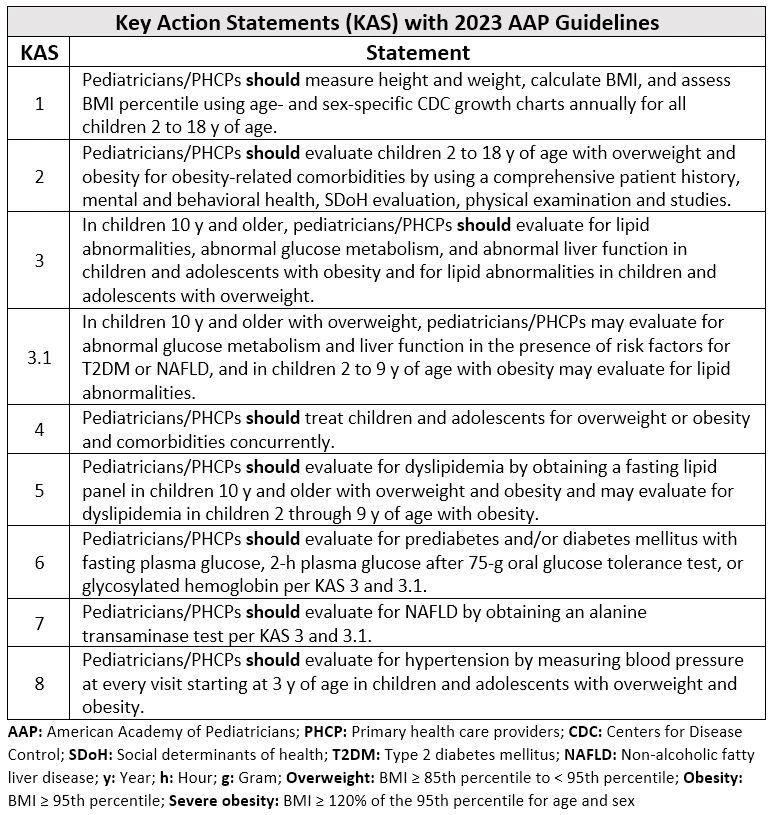
Although future in-depth blogs will go over the updated pediatric guidelines, I wanted to leave you with a summary of the specific primary screenings for pediatric patients. Make notes of ‘shoulds’ which are in bold, as these are more likely to be tested as they have higher grades of evidence. The first 8 key action statements from the aforementioned updated guidelines are included which focus on screenings, while the rest (discussed in a later blog) focus on treatments.
Sample Question
A 7-year-old girl presents to her pediatrician for follow-up regarding her blood pressure. On three separate office visits, her blood pressure has averaged in the 90th percentile. She has occasional headaches after reading for long periods of time but otherwise has no complaints. She is performing well at school. Which of the following blood pressure categories for her age does this fall into?
A. Normal
B. Elevated blood pressure
C. Stage 1 hypertension
D. Stage 2 hypertension
E. Hypertensive urgency
Next Week: Fragile X Syndrome
Upcoming: Monthly Knowledge Check. This is a review checklist of must-know items for ABOM exams based on the previous four blog topics (Vagal nerve stimulator, copper, and selenium deficiency, pediatric hypertension, and Fragile X syndrome). In addition, this will include a brief explanation of the correct answers to previous sample questions.
For more practice questions, check out the following:
- Obesity Medicine Board Review Questions (2026): Qs 104 and 112.
- Obesity Medicine Practice Tests (2026): Qs 34, 162, 177, 300, and 442.
(Copyright 2026) Obesity Medicine Board Review Questions, LLC: obesitymedicinereview.com
Featured image: Modified from VectorStock (image license purchased)
Copyediting by Kelly Smith
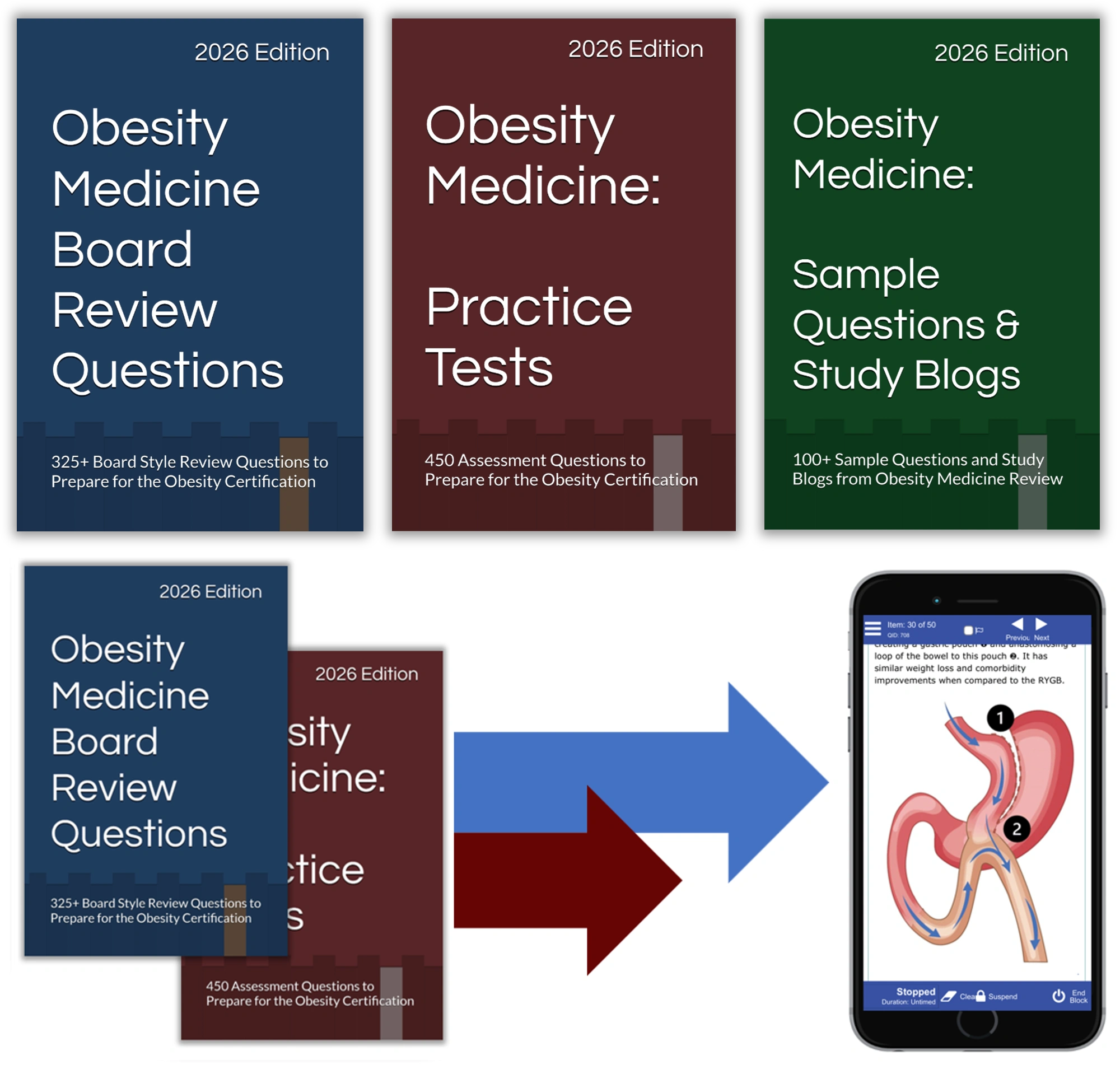
Now available: A full line of ABOM study resources with 775+ challenging questions in a mobile or book format. Access to both formats is available in a discounted Ultimate Package, which also includes a Pass Guarantee (if you fail the exam in 2026, you get the 2027 edition free), 50 bonus questions released in August, and the newest book, Obesity Medicine: Sample Questions and Study Blogs, which includes all the updated previous study blogs in a paperback format. Check it out here!
