
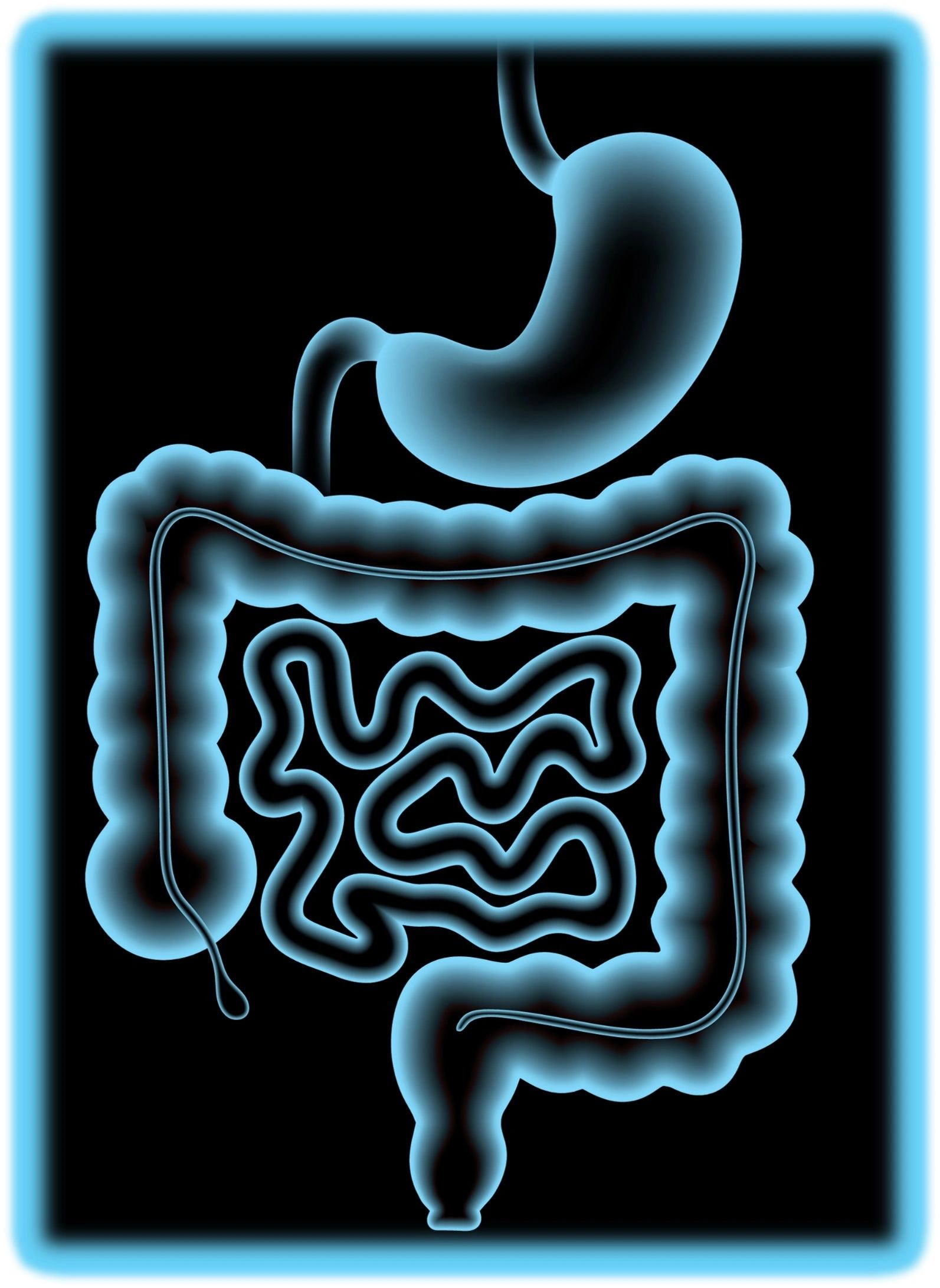
There is a reason that the anorexigenic gut hormones landed as the first question in my review book. This topic is not only high yield for the test but also the basis for many of the newer anti-obesity medications. In fact, it is the understanding of these gastrointestinal satiety hormones that led to the development of semaglutide and tirzepatide, the two most potent anti-obesity medications currently on the market. All gastrointestinal hormones we will discuss today have been synthetically produced and studied for their potential weight loss effects with many still in clinical trials.
Ghrelin, the potent gastrointestinal hunger hormone, requires multiple counteracting hormones to keep it in check. These counteracting meal-terminating, anorexigenic hormones allow us to feel full (satiety) and increase energy expenditure by stimulating the central anorexigenic pathway and inhibiting the orexigenic pathway. It still amazes me that we require multiple potent hormones to slow down the effects of ghrelin (ghrelin is discussed in another blog which can be viewed here). These other hormones and their high-yield points are discussed below:
Glucagon-like peptide 1 (GLP-1): This hormone is secreted by the L-cells of the distal small bowel and colon. As a medication, it has demonstrated efficacy as monotherapy for diabetes and weight loss, as well as synergistic effects when used in the dual-agonist (GLP-1/GIP); tirzepatide and triagonist (GLP-1/GIP/glucagon) retatrutide. This injectable medication was initially approved for type 2 diabetes and has since been approved for obesity management. It has proven cardiovascular benefits and was most recently approved for the prevention of major cardiovascular events in those with known cardiovascular disease, and as of 2025, approved for metabolic dysfunction–associated steatotic liver disease. Although approved for diabetes in an oral formulation (in the 7-14 mg range), higher levels of potency (25 mg) will be available in early 2026 for weight loss. Also, it is important to note that the enzyme DPP-4 metabolizes endogenous GLP-1, and pharmacologic inhibitors of this hormone (i.e., the “gliptins”) increase GLP-1 levels.
Cholecystokinin (CCK): This hormone is secreted in response to fat intake, which takes longer to digest, and thus slows gastric motility and stimulates the gallbladder to contract, releasing bile to break down the fat. Although studied as pharmacotherapy for obesity, tachyphylaxis has made this hormone an ineffective long-term option thus far.
Glucose-dependent insulinotropic peptide (GIP), also known as gastric inhibitory peptide: This small intestine hormone, secreted by the duodenum and jejunum has an incretin effect, thus promoting insulin secretion in the presence of carbohydrate ingestion. Tirzepatide has obtained a notorious pharmacologic status with its dual GLP-1/GIP agonist weight loss effects. It is currently being studied in combination with SGLT-2 inhibitors and with glucagon for additional glucose control and weight loss.
Oxyntomodulin: This hormone is secreted from the distal intestines and colon, increasing energy expenditure and decreasing appetite. As a medication, it has been ineffective as monotherapy for weight loss. This is surprising as it actually raises GLP-1 and glucagon levels. Regardless, this hormone is being trialed in combination with other weight-loss therapies.
Peptide YY (PYY): Even though PYY is secreted more distally, it has more proximal effects. In particular, it delays both gastric and intestinal emptying. It also appears to have weight loss potential as monotherapy, but its intolerable side effects of nausea and vomiting have made it a poor candidate for FDA approval. It is being studied in combination with oxyntomodulin for long-term weight loss.
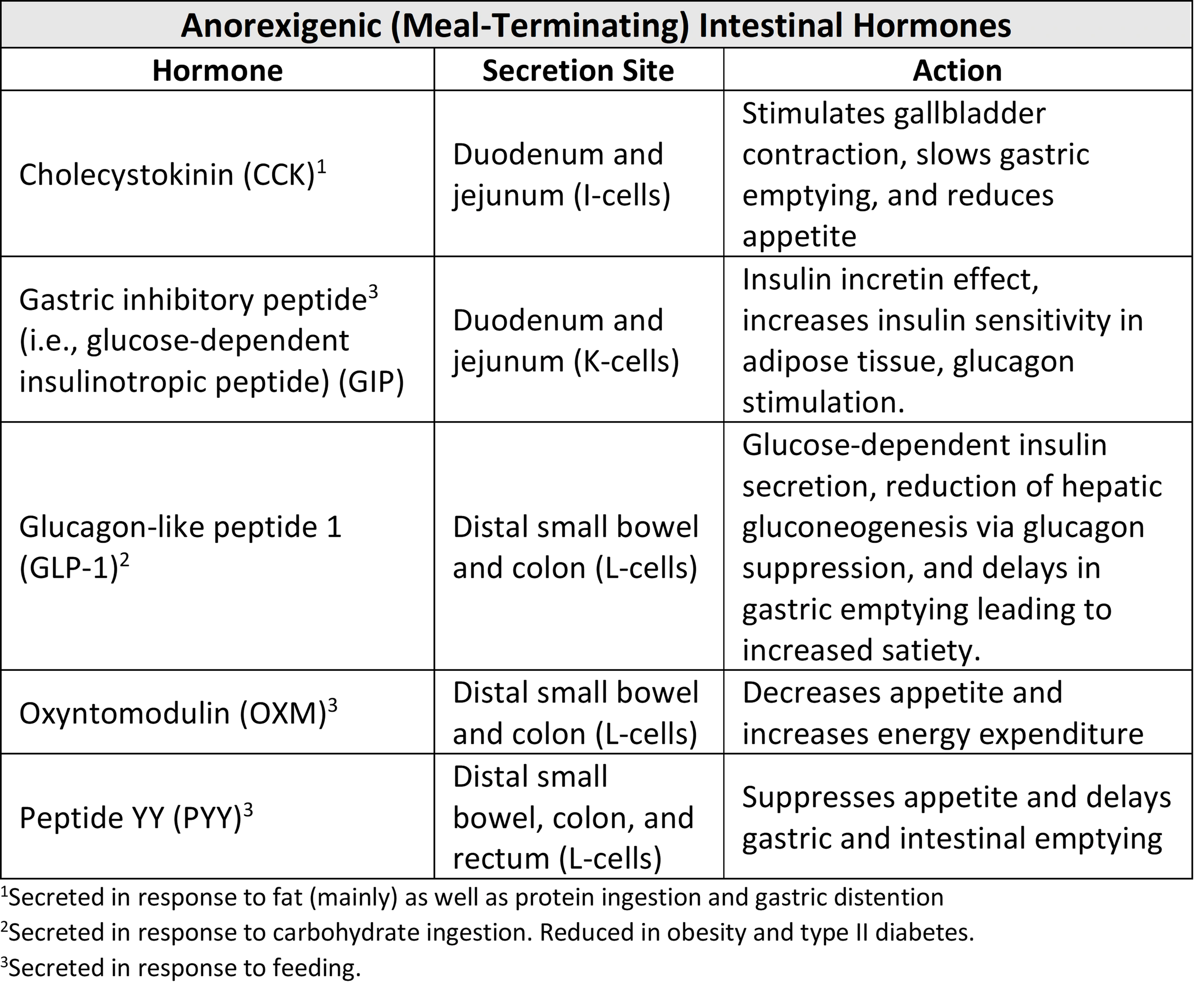
In addition to knowing what action these hormones do, it is important to know where (i.e., duodenum, jejunum, colon, etc.) these hormones are produced and what specific cells secrete them (i.e., I, K, L cells), which is summarized in the table below. There are a number of approaches these hormones can be tested. For example, if a patient just completed a meal, which hormone is decreased? You can expect to see central hormones intermingled. And vice versa, if a patient is fasting just prior to their first meal, which hormone is likely to be increased or decreased? Know these hormones inside and out, as they are the bread and butter of obesity medicine.
Sample Question:
A 41-year-old man is seen in the hospital on postoperative day one post Rouxen-Y gastric bypass. Home medications include glargine 30 units nightly and aspart sliding scale with meals. Since surgery, he has not required any insulin to maintain normal glucose levels and has plans to be discharged on a low dose of immediate-release metformin. The increased endogenous hormone responsible for this diabetes medication adjustment
A. is only secreted in the small intestine
B. is secreted in response to fat and protein ingestion
C. reduces hepatic gluconeogenesis
D. has the same quantitative effects as seen after sleeve gastrectomy
E. causes gallbladder contraction
Next Week: Aspire Assist® device
Upcoming: Body fat measurements (calipers vs. DXA, etc), and Pradar-Willi vs. Angelman.
For more practice questions, check out the following:
- Obesity Medicine Board Review Questions (2026): Qs 1, 24, 29, and 260.
- Obesity Medicine Practice Tests (2026): Qs 37, 71, 84, 122, 156, and 231.
(Copyright 2026) Obesity Medicine Board Review Questions, LLC: obesitymedicinereview.com
Featured image: Modified from VectorStock (image license purchased)
Copyediting by Kelly Smith
Now available: A full line of ABOM study resources with 775+ challenging questions in a mobile or book format. Access to both formats is available in a discounted Ultimate Package, which also includes a Pass Guarantee (if you fail the exam in 2026, you get the 2027 edition free), 50 bonus questions released in August, and the newest book, Obesity Medicine: Sample Questions and Study Blogs, which includes all the updated previous study blogs in a paperback format. Check it out here!
