
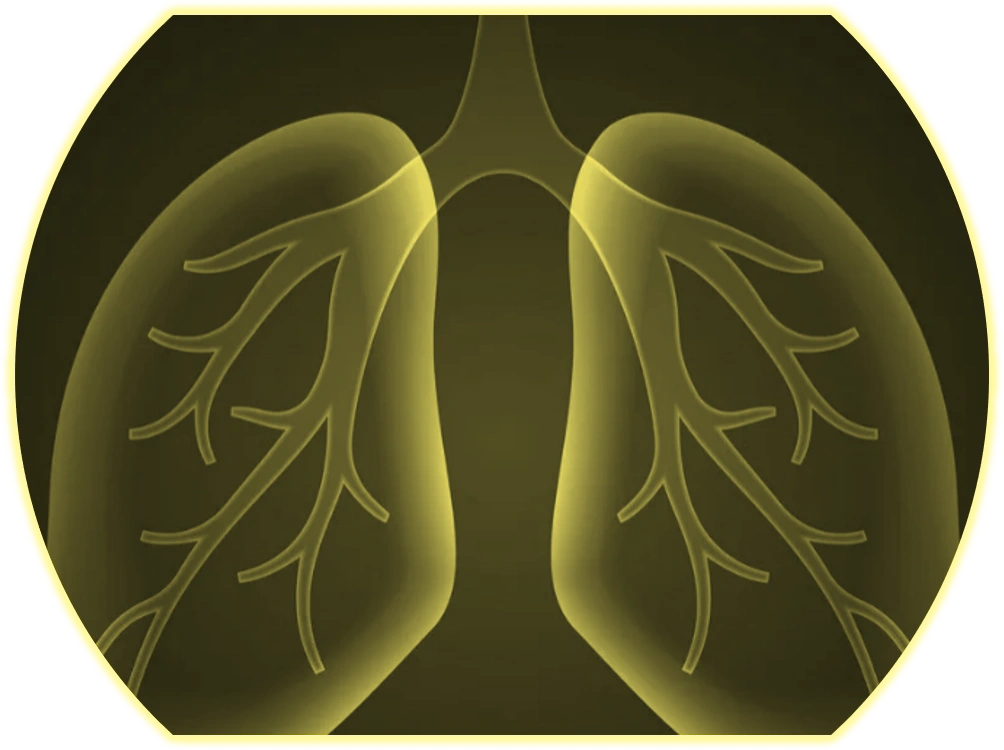
Obesity hypoventilation syndrome (OHS), also called Pickwickian syndrome, is an external restrictive lung disease related to fat mass disease leading to CO2 retention and respiratory acidosis. It is commonly associated with obstructive sleep apnea (OSA), as 90% of patients with OHS also have concurrent OSA. Without diagnosis and treatment, this progressive disease can lead to polycythemia, pulmonary hypertension, and eventually right-sided heart failure, carrying high mortality rates.
Symptoms of OHS may overlap with symptoms of obesity or other concurrent obesity-related comorbidities, such as OSA with daytime fatigue and nonrestorative sleep. If pulmonary hypertension is discovered in a patient with an elevated BMI, OHS should be high on the differential. In addition, suspicion for OHS should be raised if a bicarbonate level is >27 mEq/L, indicating a compensatory metabolic alkalosis in the setting of retained CO2 (i.e., respiratory acidosis).
Diagnostic criteria include:
- Obesity (body mass index >30 kg/m²)
- Daytime PaCO2 >45 mmHg
- Exclusion of other causes
Note: OSA can also cause hypercapnia while sleeping due to decreased respiratory rate and apnea. Therefore, a daytime arterial blood gas, not a morning one, is needed to diagnose OHS when hypercapnia can no longer be attributed to OSA.
First-line treatment for OHS is non-invasive positive airway pressure and should be initiated while working on attaining definitive treatment, which is significant weight loss. Metabolic and bariatric surgery should be considered in these patients. In addition, avoiding sedatives, including narcotics, alcohol, muscle relaxants, or sleep aids to prevent further hypoventilation is recommended.
And that’s it! This was a quick rundown of what you need to know for the ABOM boards regarding this topic. A few other ways this may be tied into questions include the Edmonton Obesity Staging System, comparing fat mass disease to adiposopathy (i.e., they may want you to identify other obesityrelated comorbidities associated with fat mass disease like OSA, heart failure with preserved ejection fraction, osteoarthritis, etc.), or differentiating similar conditions (see question below). Best of luck as you continue your studies!
Sample Question
A 49-year-old woman with a history of class III obesity is following up with her pulmonologist regarding her pulmonary hypertension, confirmed with a rightheart catheterization. She has no prior tobacco or occupational exposures, and her polysomnography test was negative. Given this information, which of the following would most likely be seen in this patient?
A. Class 4 Mallampati score
B. Increased Epworth sleepiness scale
C. FEV1/FVC <0.70
D. Increased respiratory disturbance index
E. Arterial blood gas PaCO2 >45 mmHg
Next Week: Monthly Knowledge Check (Subscribe!). This is a review checklist of must-know items for ABOM exams based on the previous four blog topics (Phentermine/Topiramate ER (Qsymia®). 4-tiered approach to pediatric obesity, transpyloric shuttle, and obesity hypoventilation syndrome). In addition, this will include a brief explanation of the correct answers to previous sample questions
Upcoming Topics: Binge eating disorder, micronutrient deficiencies, NPY/AgRP vs. POMC/CART pathways, and obesity stigma/bias/first-person language.
For more practice questions, check out the following:
- Obesity Medicine Board Review Questions (2026): Q 150.
- Obesity Medicine Practice Tests (2026): Q 68.
(Copyright 2026) Obesity Medicine Board Review Questions, LLC: obesitymedicinereview.com
Featured image: Modified from VectorStock (image license purchased)
Copyediting by Kelly Smith
Now available: A full line of ABOM study resources with 775+ challenging questions in a mobile or book format. Access to both formats is available in a discounted Ultimate Package, which also includes a Pass Guarantee (if you fail the exam in 2026, you get the 2027 edition free), 50 bonus questions released in August, and the newest book, Obesity Medicine: Sample Questions and Study Blogs, which includes all the updated previous study blogs in a paperback format. Check it out here!
