
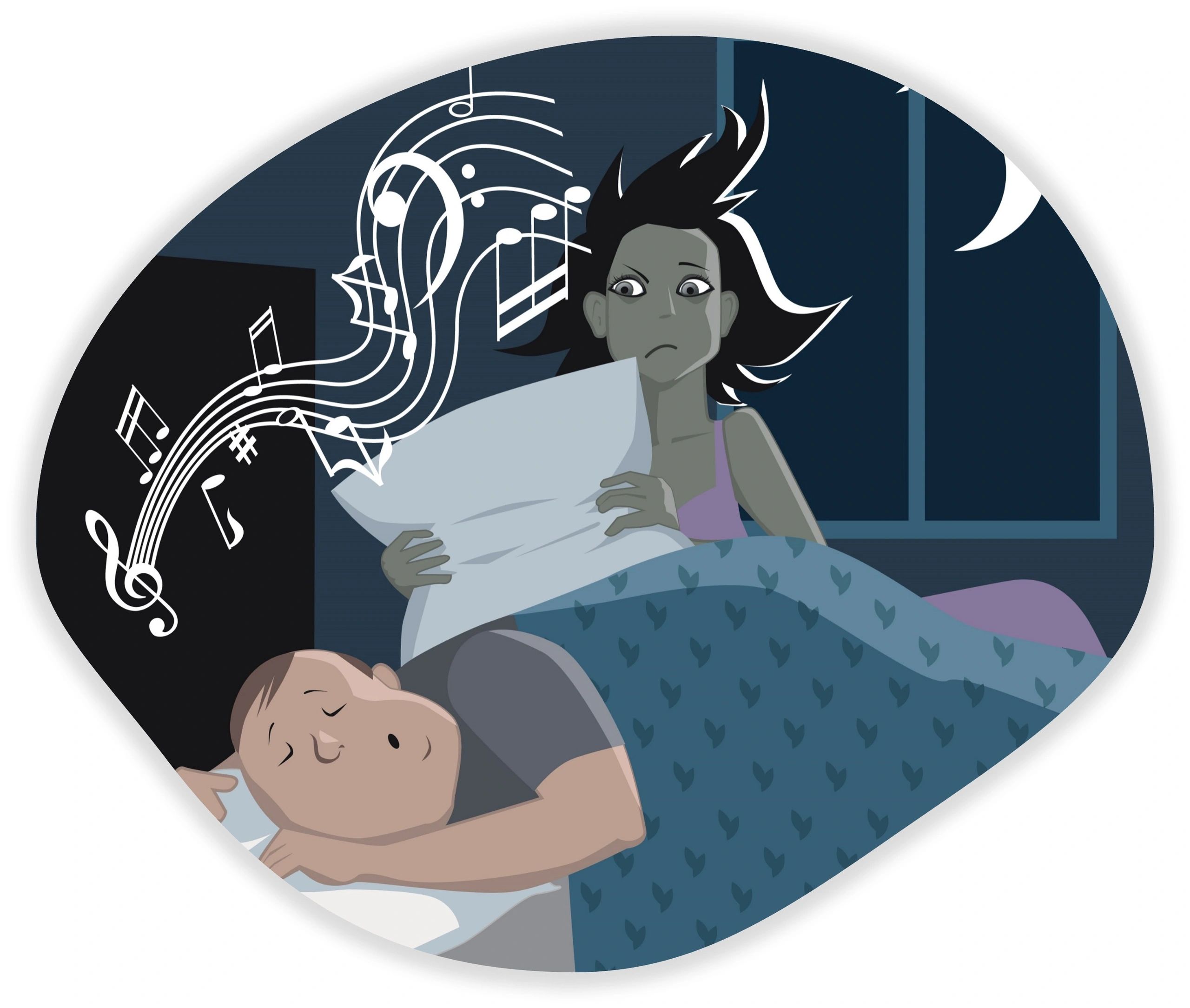
Obstructive sleep apnea (OSA) is a common adiposity-based chronic disease (ABCD) seen in patients with obesity. OSA is no longer associated only with adults, as a proportional increase in this ABCD is seen as the rate of childhood obesity has increased. A typical rule of thumb for boards is that the more common the condition, the more questions allotted, and the more in-depth it will be tested. Given the commonness of OSA, I recommend being very familiar with the nuances of this condition and expect several questions on this topic.
OSA is a fat-mass disease, meaning that the ABCD is directly related to the weight of excess adipose tissue, not the hormones secreted. As patients go into the deep, restorative REM sleep cycle, the body relaxes/paralyzes itself to prevent acting on one’s dreams (which we all appreciate). However, that also causes the excess tissue anterior to the neck to relax enough to compress the airway in those with OSA. Ultimately, this can lead to hypercapnia and hypoxia, which is one reason patients may experience morning headaches with this condition. The respiratory center recognizes this and prevents deep sleep from occurring, keeping the person in a shallow, non-restorative sleep. Thus, a characteristic finding is daytime fatigue from a lack of sleep quality.
Untreated, OSA can lead to increased blood pressure, cardiovascular disease, pulmonary hypertension, and ultimately increased morbidity and mortality. In addition, lack of sleep quantity or quality can contribute to weight gain or lack of weight loss due to hormonal changes. In one study, those who consistently slept 5 hours, compared to those receiving 8 hours of quality sleep, had the following findings:
- BMI increase of 3.6%
- Leptin decrease of 15.5%
- Ghrelin increase of 14.9%
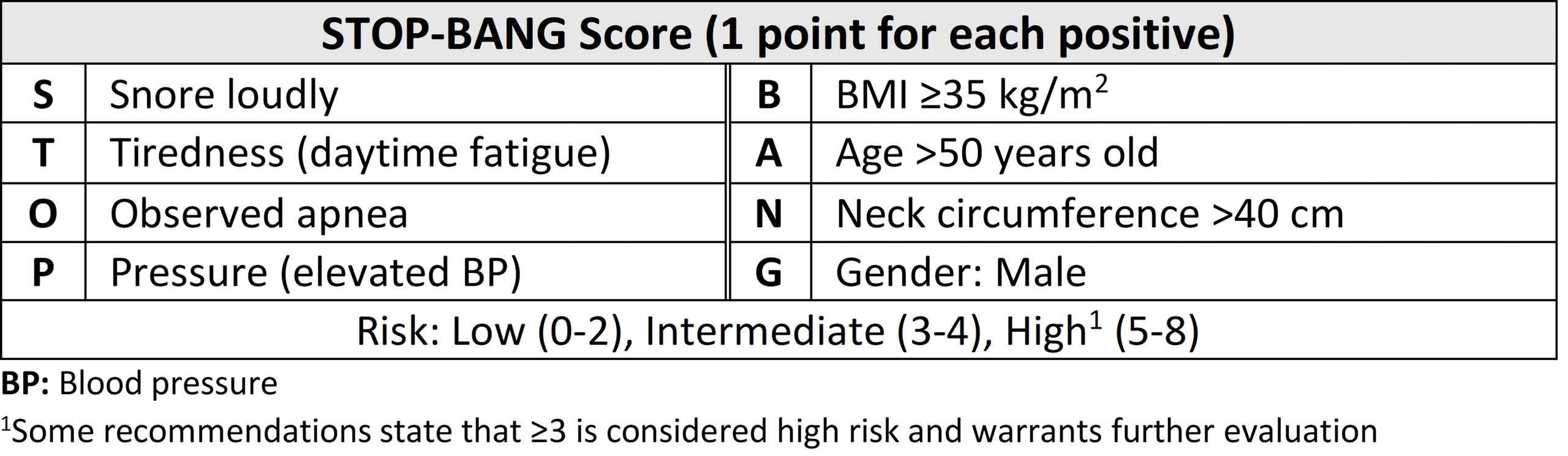
Initial screening for sleep apnea is a straightforward process that can be easily performed through a questionnaire. The STOP-BANG screening tool was validated in preoperative evaluation, with a score ≤2 adequately excluding a diagnosis of OSA, whereas a score of ≥5 makes OSA highly likely (specificity 80%).
Another clinical pretest probability scoring system that may be used for OSA is the Epworth Sleepiness Scale, which consists of a series of questions assessing the likelihood of falling asleep during various activities throughout the day.
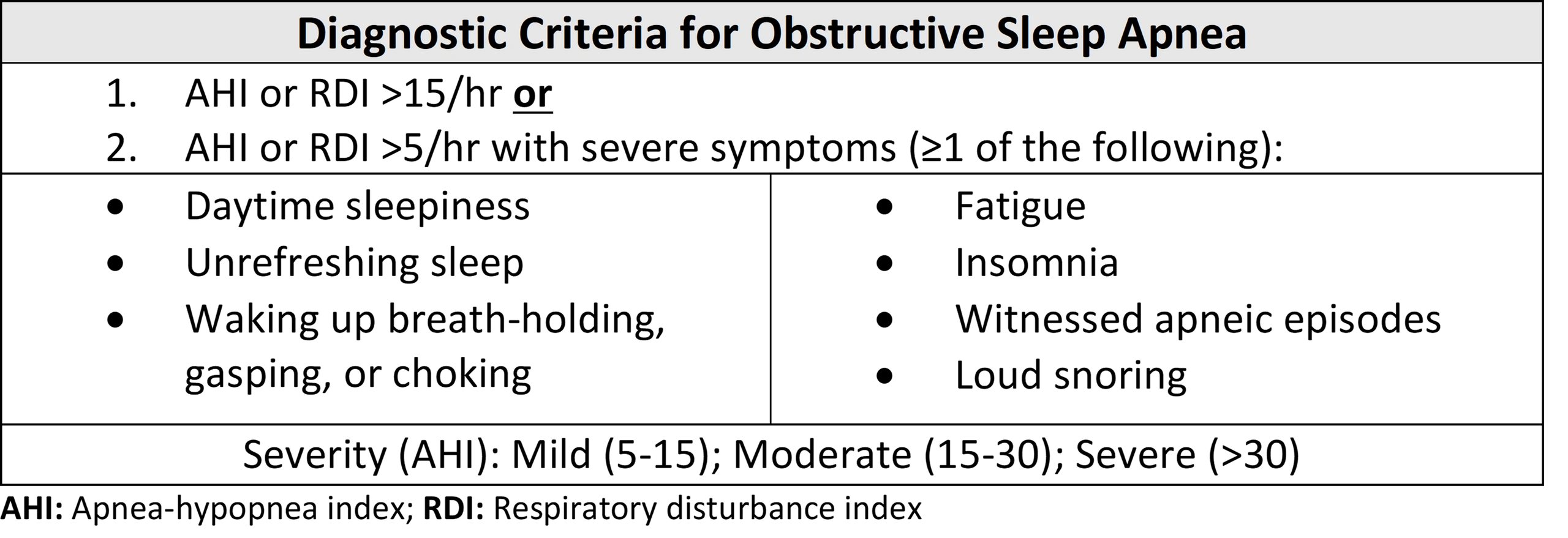
The diagnosis of OSA is confirmed through polysomnography (a sleep study), which is becoming increasingly common to perform at home. OSA severity and diagnosis are based on the apnea-hypopnea index (AHI), which is the summation of the following events per one-hour period (total events/total hours of sleep):
- Apnea: Respiratory pauses that last ≥10 seconds
- Hypopnea: Shallow breathing leading to oxygen desaturation of ≥4%
An additional diagnostic criterion is the respiratory disturbance index (RDI), which includes respiratory effort-related arousals (RERA) in addition to hypopnea and apnea. RDI, therefore, is more sensitive.
Treatment involves using a continuous positive airway pressure (CPAP) machine. If patients do not tolerate the mask, nasal pillows may be more comfortable and improve adherence. Oral appliances and hypoglossal nerve 153 stimulation may be considered in select patients with obstructive sleep apnea who are unable to tolerate CPAP therapy, including those with mask intolerance. Importantly, nasal flaring devices (Breath Right® strips) only help with snoring due to nasal congestion and are ineffective for treating obstructive sleep apnea.
The ABOM will likely test many components of OSA, including the hormonal influences, diagnosis criteria, treatments, and differentiating it from another similar respiratory fat-mass condition, obesity hypoventilation syndrome (refresh on that topic here).
Sample Question
A 51-year-old woman is undergoing a preoperative evaluation for a planned Roux-en-Y gastric bypass. She admits to often feeling tired during the day and occasionally falling asleep during conversations. Her spouse has told her that she snores very loudly, sometimes requiring him to sleep in another bedroom. Vital signs are within normal limits. BMI is 39 kg/m² and her neck circumference is 17 inches (43.2 cm). What is the next best step in evaluating for obstructive sleep apnea?
A. Inquire if she has stopped breathing during sleep
B. Place a referral for an overnight pulse-oximetry test
C. Place a referral for polysomnography
D. Perform a physical exam, focusing on the oral exam
E. Order a daytime arterial blood gas
Next Week: Monthly Knowledge Check. This is a review checklist of must-know items for ABOM exams based on the previous four blog topics (Hedonic vs. Homeostatic Hunger, Supplements, MC4R deficiency, and OSA). In addition, this will include a brief explanation of the correct answers to previous sample questions.
Upcoming: Wegovy® (semaglutide), Obesity Paradox/Myths, Epigenetics, and Dietary plans (Mediterranean/DASH, etc.)
For more practice questions, check out the following:
- Obesity Medicine Board Review Questions (2026): Qs 50, 77, 83, 133, 141, 144, 213, and 290.
- Obesity Medicine Practice Tests (2026): Qs 130, 185, 219, 276, and 414.
(Copyright 2026) Obesity Medicine Board Review Questions, LLC: obesitymedicinereview.com
Featured image: Modified from VectorStock (image license purchased)
Copyediting by Kelly Smith
Now available: A full line of ABOM study resources with 775+ challenging questions in a mobile or book format. Access to both formats is available in a discounted Ultimate Package, which also includes a Pass Guarantee (if you fail the exam in 2026, you get the 2027 edition free), 50 bonus questions released in August, and the newest book, Obesity Medicine: Sample Questions and Study Blogs, which includes all the updated previous study blogs in a paperback format. Check it out here!
