
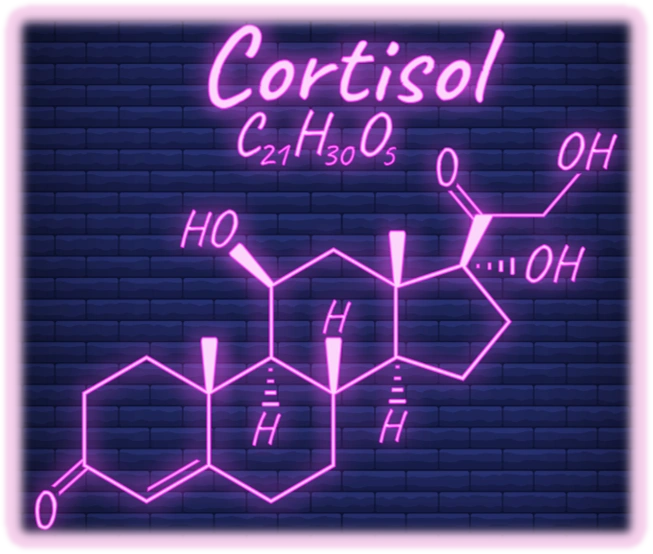
Are your patients getting good sleep and managing stress levels? The neurohormonal changes caused by stress and poor sleep are known to influence weight and appetite. Understanding the changes will be key for the board exam. In this blog, we will look at what hormonal changes are seen in those with poor sleep (both decreased quantity or poor quality) and how these could present on test day. In addition, we will look at the effects of cortisol in the setting of long-term stress.
There have been a number of studies looking at sleep quality and quantity, as well as sleep patterns (night-shift work), and how these affect weight gain. In one study, those who consistently slept 5 hours, compared to those receiving 8 hours of quality sleep, had the following findings:
- BMI increase of 3.6%
- Leptin decrease of 15.5%
- Ghrelin increase of 14.9%
In other words, hunger (ghrelin) increases, and leptin-mediated satiety and energy expenditure decreases, leading to increased caloric intake, and ultimately leading to increased weight/BMI. In addition, patients who work rotating or night shifts have circadian misalignment, which increases their risk of obesity, diabetes, depression, hypertension, and hyperlipidemia. Another study showed these particular patients had:
- Increased cortisol
- Decreased energy expenditure • Increased inflammatory cytokines (IL-6, TNF-α, IL-1β)
- Decreased adiponectin
- Decreased leptin, melatonin, and basal metabolic rate
- Blunted post-meal suppression of ghrelin
- Increased insulin resistance and risk of diabetes
Studies suggest there is a cumulative effect on circadian misalignment, with those working night shift for more than 10 years having the highest risk of obesity and obesity-related comorbidities.
Chronic stress has a similar qualitative movement of these hormones. Chronic stress leads to pathologic hypercortisolism. This dose-dependent stress increases cortisol release and hyper-responsiveness to the hypothalamic-pituitary axis. This chronic state has been shown to increase the risk of both metabolic syndrome and heart disease.
Increased cortisol levels associated with the stressed state affect neurohormones, including increasing insulin and leptin resistance. In addition, cortisol has both direct and indirect effects on the orexigenic pathway in the central nervous system, leading to the activation of the NPY/AgRP pathway.
Not only does stress increase factors that play a role in promoting obesity, but obesity is also a cause of stress for many patients. This cycle can feed into itself, synergistically having an impact on weight.
So why is this high yield on boards? The ABOM can ask any number of questions on neurohormonal findings and lifestyle. They may provide a clinical vignette of a patient who experiences poor sleep, works the night shift, or is under significant stress, and ask about the aforementioned hormone movement. Likewise, they may ask about treatment options which include sleep hygiene, using melatonin before sleep, and stimulants such as caffeine during work shifts allowing for a quicker adjustment of sleep/work cycles, mitigating the negative effects above. Finally, in a patient who is stressed, reducing stressors, increasing wellness activities, therapy, and pursuing stress-relieving hobbies can be life-changing.
In summary, if you know all of the neurohormonal influences related to the anorexigenic and orexigenic pathways, stress and poor sleep increase all the bad ones and suppress the good ones. These make for simple questions on test day.
Sample Question
A 49-year-old man presents to the office to discuss weight-related complications. He states he was recently promoted to chief operating officer of a Fortune 500 company and the fear of messing up and losing the associated lifestyle, prestige, and salary is “driving me mad.” Per chart review, it is noted that since starting this new position, he has gained nearly 45 lb (20.4 kg). Comparing before the promotion to now, which hormonal change is most likely present?
A. Insulin sensitivity increases with glucagon suppression
B. Activation of α-MSH and increased levels of leptin
C. Poor quality of sleeping activates the POMC/CART pathway
D. NPY activation related to excess cortisol secretion
E. Suppressed ghrelin levels due to vagal nerve suppression
Wednesday: Monthly Knowledge Check. This is a review checklist of must-know items for ABOM exams based on the previous four blog topics (Motivational interviewing, adjustable gastric banding, idiopathic intracranial hypertension (i.e., pseudotumor cerebri), and cortisol levels/weight gain with no sleep). In addition, this will include a brief explanation of the correct answers to previous sample questions.
For more practice questions, check out the following:
- Obesity Medicine Board Review Questions (2026): Qs 6, 50, and 125.
- Obesity Medicine Practice Tests (2026): Qs 363 and 423.
(Copyright 2026) Obesity Medicine Board Review Questions, LLC: obesitymedicinereview.com
Featured image: Modified from VectorStock (image license purchased)
Copyediting by Kelly Smith
Now available: A full line of ABOM study resources with 775+ challenging questions in a mobile or book format. Access to both formats is available in a discounted Ultimate Package, which also includes a Pass Guarantee (if you fail the exam in 2026, you get the 2027 edition free), 50 bonus questions released in August, and the newest book, Obesity Medicine: Sample Questions and Study Blogs, which includes all the updated previous study blogs in a paperback format. Check it out here!
