
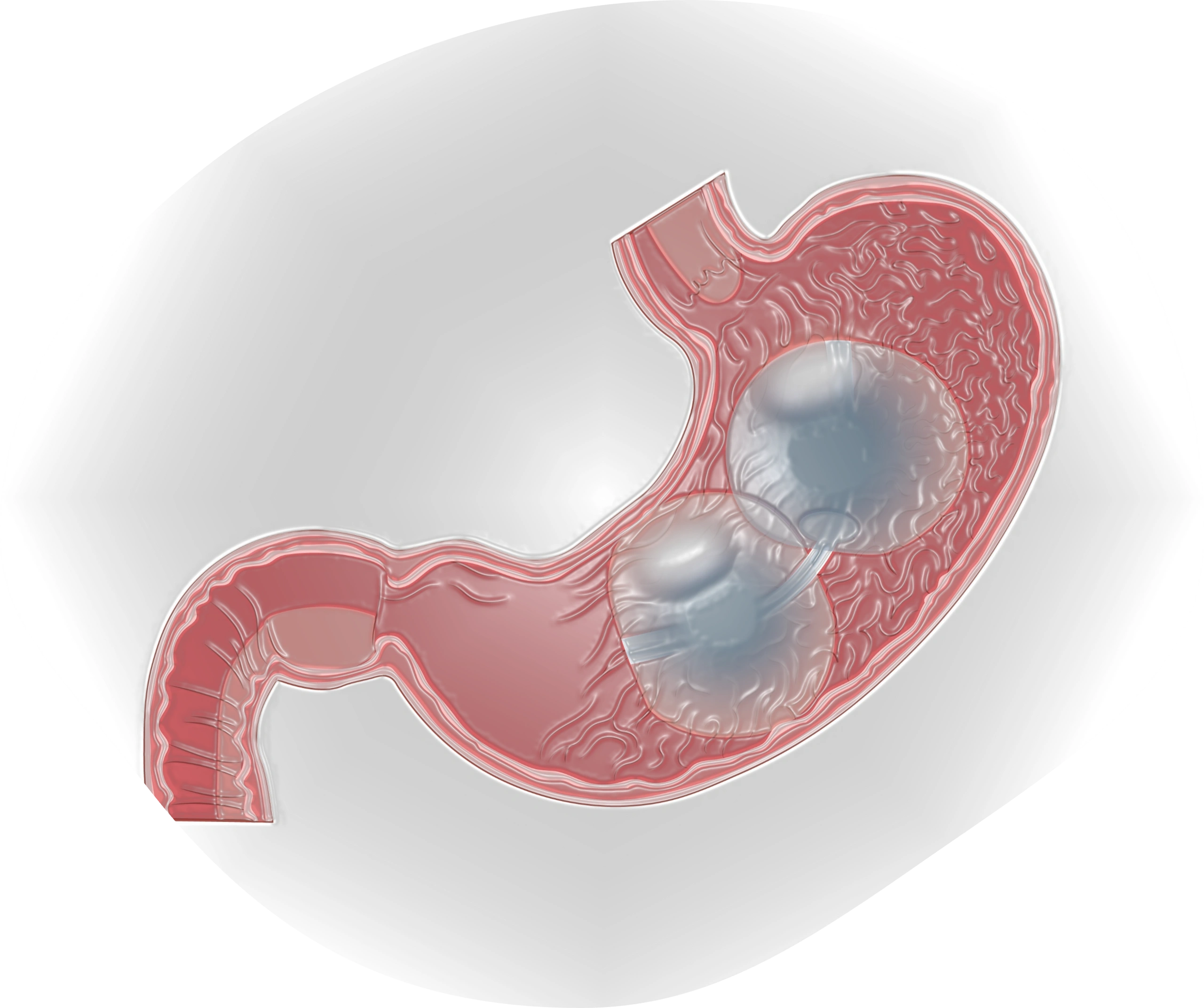
Gastric balloons have gained some popularity within the obesity field as they are less invasive than metabolic and bariatric surgery. However, the results are also shorter term. This is because most balloons must be removed at 6 months (the exception is the more recently approved Spatz3® balloon which extends to 8 months). Given that obesity is a chronic disease, it seems odd to consider a short-term 6–8 month treatment option. Contrary to one advertising tactic for this device, asking, “Do you want to look good for an upcoming event?”, there may be specific times when a shorter-term treatment would improve the quality of life.
Intragastric balloons only account for 2% of bariatric procedures, but the number of patients seeking or asking about them has grown significantly due to increased advertising. While the specific balloon types are outside of the scope of ABOM board examinations, their defining characteristics are interesting and worth mentioning:
- Spatz3®: This is the first adjustable balloon approved for 8 months duration (the others are currently 6 months). It is endoscopically placed and adjusted up to the size of a grapefruit by adding/removing saline as needed based on comfort and weight loss.
- Orbera®: This is an endoscopically placed single balloon.
- Obalon®: This is the first swallowable balloon. Patients will swallow a deflated balloon with a small tube attached. Once the balloon is confirmed in the stomach (X-ray), nitrogen gas fills the balloon, and the tube is removed. Each balloon can be inflated to 250 cc (small orange), with up to three balloons placed individually at 2-week intervals. The balloons are removed endoscopically at 6 months. Interestingly, you must be 22 years old to qualify for this balloon, vs. the others at 18.
- Reshape®: This dual balloon (see featured image) system was one of the earlier approved devices (along with Orbera™). However, Apollo, the company that created Orbera™, bought out Reshape™ and has since discontinued its production.
Memory aid: The word ‘balloons’ has 8 letters. Max time in place = 8 months.
Gastric balloons work by increasing satiety (likely through ghrelin-mediated feedback), thus reducing total caloric intake. Indications for balloon placement include adults with a BMI 30-40 kg/m² who have failed lifestyle modifications alone. Interestingly, with the recently increased indications for metabolic and bariatric surgery (30 kg/m² with metabolic disease), many who would meet the criteria for the balloon now meet criteria for definitive surgeries such as the gastric sleeve or Roux-en-Y gastric bypass.
The effectiveness of balloons range from 6.8% to 12.7% total body weight loss, after accounting for the effects of the placebo arm. Contraindications include stomach ulcers or those at an increased risk of ulcers, such as significant NSAID use or H. Pylori infections. In addition, it should not be placed in those with prior gastrointestinal or metabolic and bariatric surgeries or altered intestinal anatomy, those with a coagulopathy or on anticoagulation, pregnancy, or those with psychiatric conditions inhibiting adherence to recommendations. Also, those with cirrhosis, drug or alcohol use disorder, or those unable to take a proton pump inhibitor while the balloon is in place are reasons not to pursue this treatment.
Although no deaths were reported in initial studies, the FDA released a postapproval update in 2020 to healthcare providers that stated 8 deaths occurred within the United States (and 10 outside of the U.S.), with half being related to gastric and esophageal perforations and 2 being due to post-operative pulmonary embolisms. In addition, hyperinflation, in which the balloon increases in size spontaneously after insertion, has occurred in 2% of cases, leading to early removal. Finally, the risk of acute pancreatitis is increased, which is thought to be caused by direct parenchymal or pancreatic duct compression due to the prolonged distention of the stomach with the balloon in place.
Overall, this procedure may be a good short-term option in a very limited number of cases. Given the BMI range indication, they are not used as a bridge to bariatric surgery but may be an option for those requiring a reduced BMI for joint replacement to increase mobility and thus continue their weight loss journey with improved quality of life. However, I would avoid these in a bridge to transplant program, given their limited time frame of benefit and potentially delayed time being accepted for a transplant when on a transplant list (unless a donor is already matched). Unless patients have contraindications to all anti-obesity medications, it is difficult to find indications to use an intragastric balloon instead of medications. Insurance coverage for this procedure is limited (costs $5,000-$10,000), so many patients will need to pay cash.
The ABOM examination will want you to know the indications and contraindications, and understand the limited placement timeframe. The finer details likely will not be tested given the breadth of the test, but I would expect you will see intragastric balloons as a distractor option on multiple questions.
Sample Question:
A patient has been recommended to undergo tarsal tunnel surgery, but the podiatrist will not perform the surgery until the patient has lost 5% of his weight. The patient has not lost enough weight with extensive lifestyle changes alone and wishes to discuss weight loss options, including placing a gastric balloon. Which of the following recommendations is most appropriate?
A. Plan for tarsal tunnel surgery six months after the balloon is placed
B. The balloon is unlikely to reduce weight by 5%
C. A BMI of 34 kg/m² does not meet the criteria for a balloon
D. Even if used appropriately, balloons have a high risk of deflation and bowel obstruction
Next Week: Setmelanotide
Upcoming: VO2 max
For more practice questions, check out the following:
- Obesity Medicine Board Review Questions (2026): Qs 261, 266, and 276.
- Obesity Medicine Practice Tests (2026): Qs 105, 366, and 399.
(Copyright 2026) Obesity Medicine Board Review Questions, LLC: obesitymedicinereview.com
Featured image: Image custom-created by Charu G. Copyright owned by Kevin Smith, DO.
Copyediting by Kelly Smith
Now available: A full line of ABOM study resources with 775+ challenging questions in a mobile or book format. Access to both formats is available in a discounted Ultimate Package, which also includes a Pass Guarantee (if you fail the exam in 2026, you get the 2027 edition free), 50 bonus questions released in August, and the newest book, Obesity Medicine: Sample Questions and Study Blogs, which includes all the updated previous study blogs in a paperback format. Check it out here!
