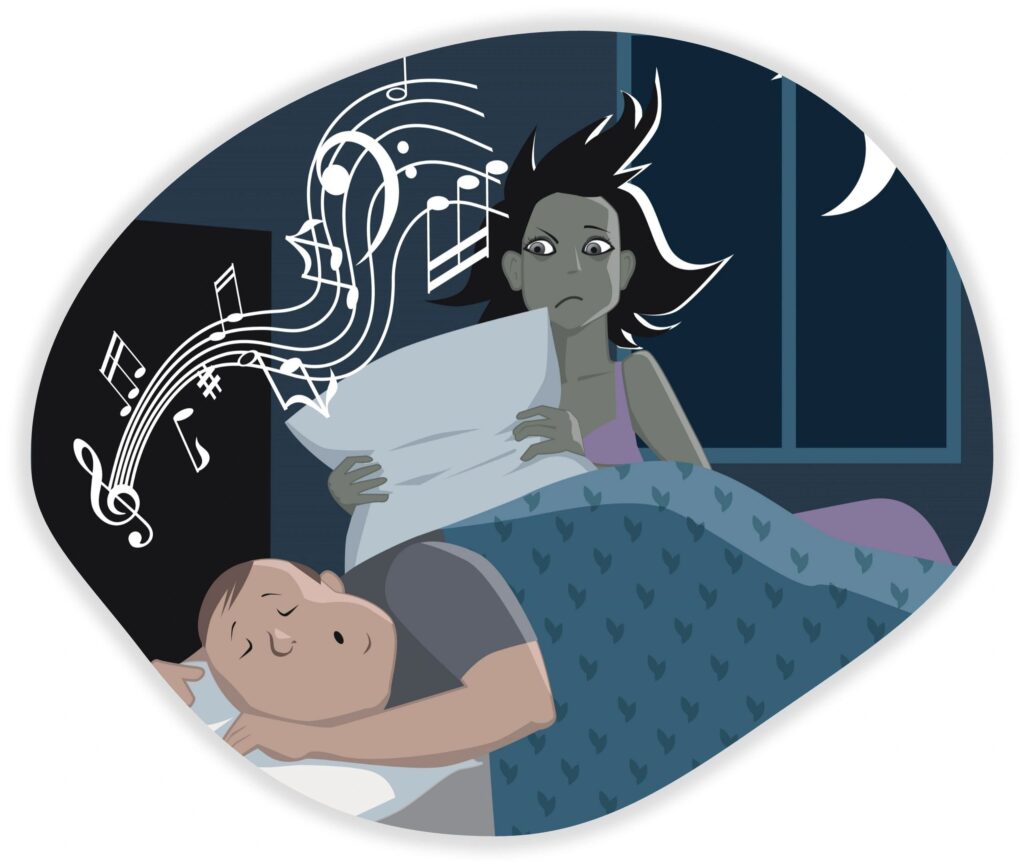
Obstructive sleep apnea (OSA) is a common adiposity-based chronic disease (ABCD) seen in patients with obesity. OSA is no longer associated only with …
Genetic conditions leading to obesity are high-yield for the ABOM exam. Their characteristics, genetic inheritance patterns, and any available treatme…
Supplements are commonly asked about by patients in an obesity medicine practice. Questions regarding their effectiveness, safety, and impact on weigh…
Knowledge checks will be available every fifth blog and consist of a checklist of objectives and questions based on the prior blog posts. In addition,…
When studying for the ABOM examination, medications, genetics, comorbidities, and hormones often take the spotlight. However, one area that may be neg…
Childhood growth curves is a topic that many of us could benefit from a refresher course. Knowing the different patterns associated with certain disea…
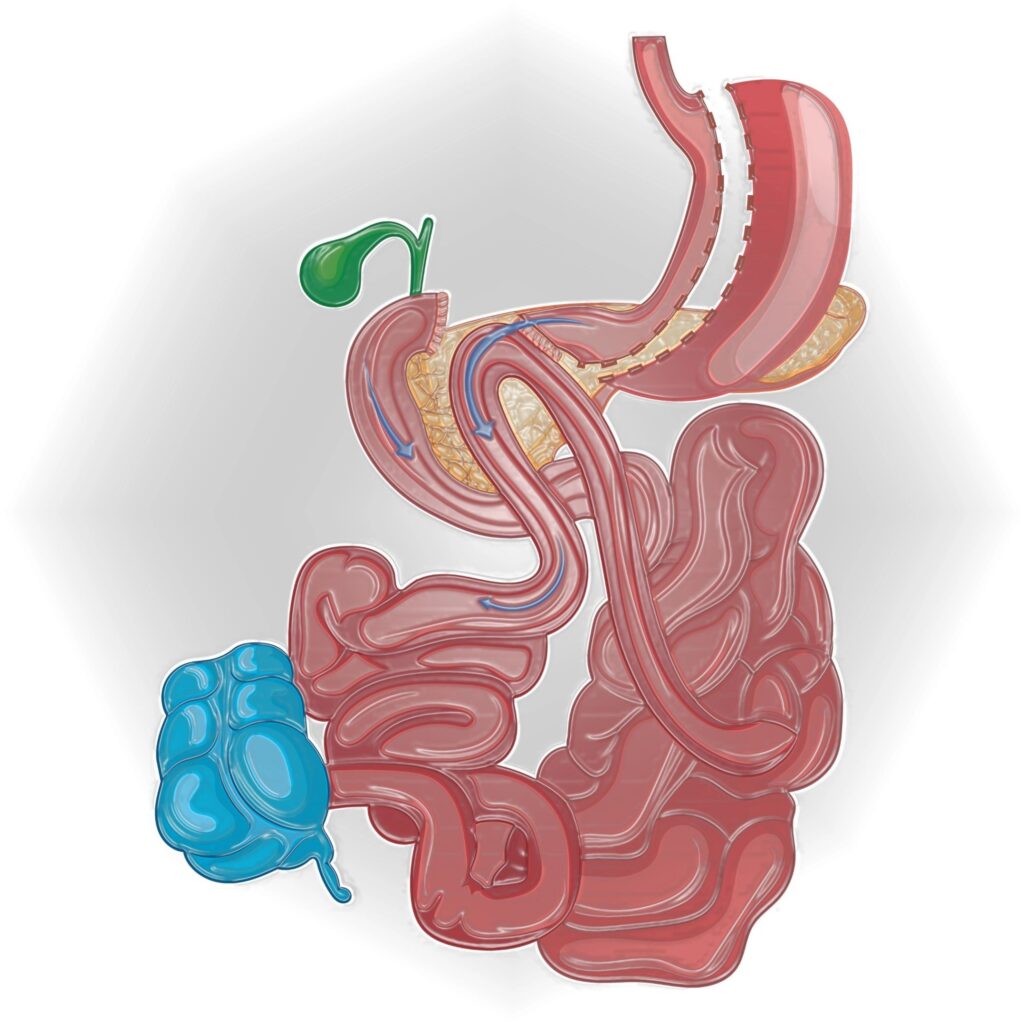
How well do you know your malabsorptive procedures? Although the ABOM exam will likely not require in-depth knowledge of surgical procedures, you will…
Knowledge checks will be available every fifth blog and consist of a checklist of objectives and questions based on the prior blog posts. In addition,…
A person may have a disease and is affected by it, but their value is greater than their condition. People-first language recognizes this importance a…
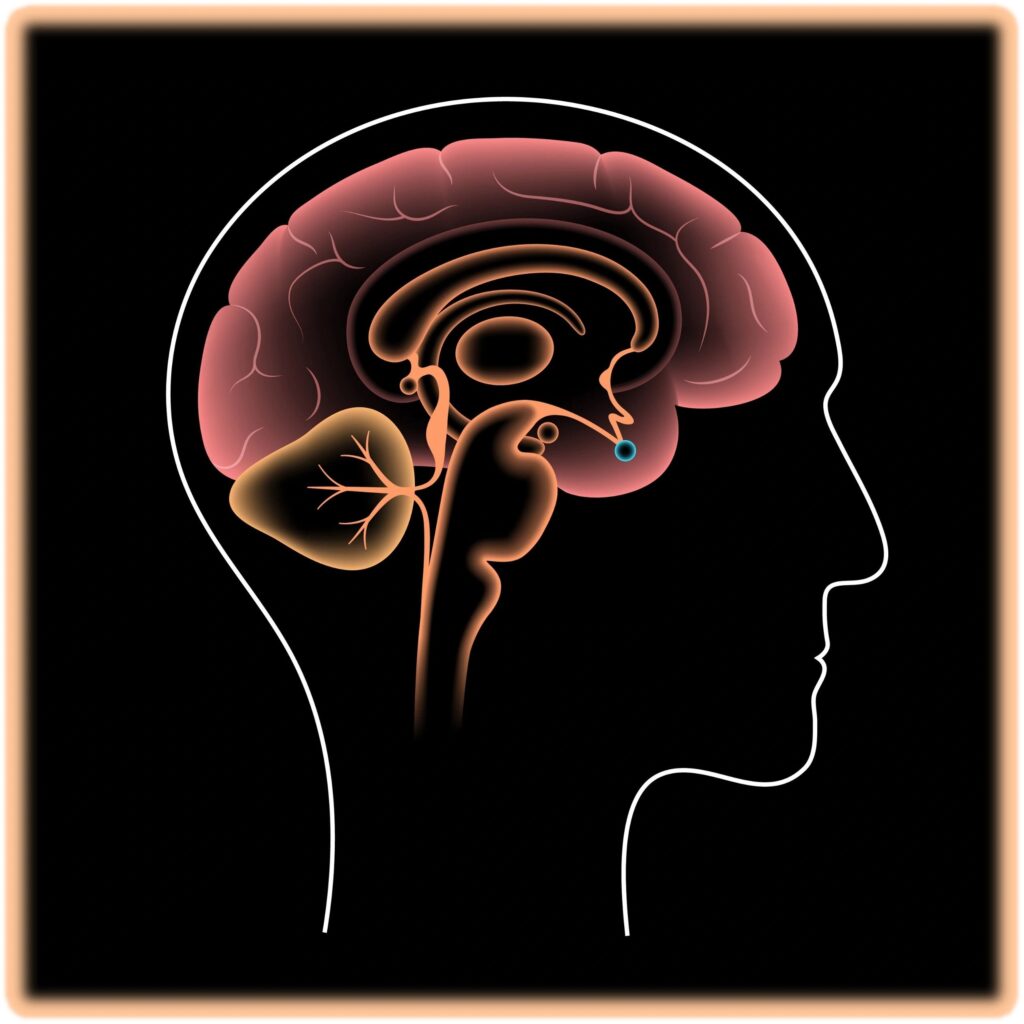
Central nervous system pathophysiology can be one of the more dreaded portions of the ABOM exam. However, your exam preparation does not need to be ov…
Night eating syndrome (NES) is not as common in the general population, with only a prevalence of about 1.5%. However, some studies suggest up to 30% …
Micronutrient deficiencies are common within obesity medicine. Although usually seen after metabolic and bariatric surgery (MBS), there is a higher pr…